
Copenhagen – A Photographer’s Stroll Through the City
Trip idea: Spend two days exploring Copenhagen — capturing its charm through the lens while soaking in the city’s relaxed Scandinavian vibe.
Getting There & Getting Around
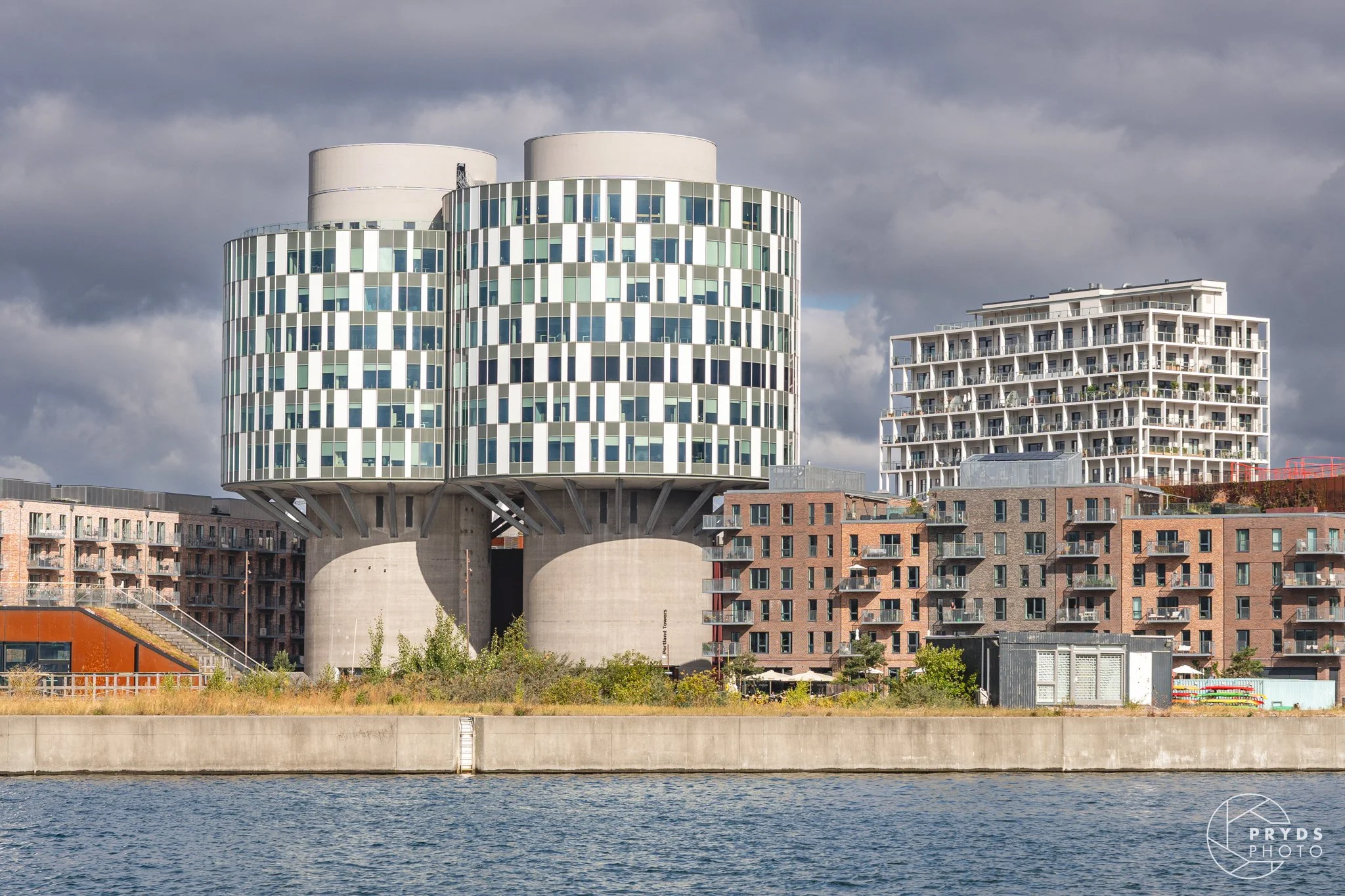
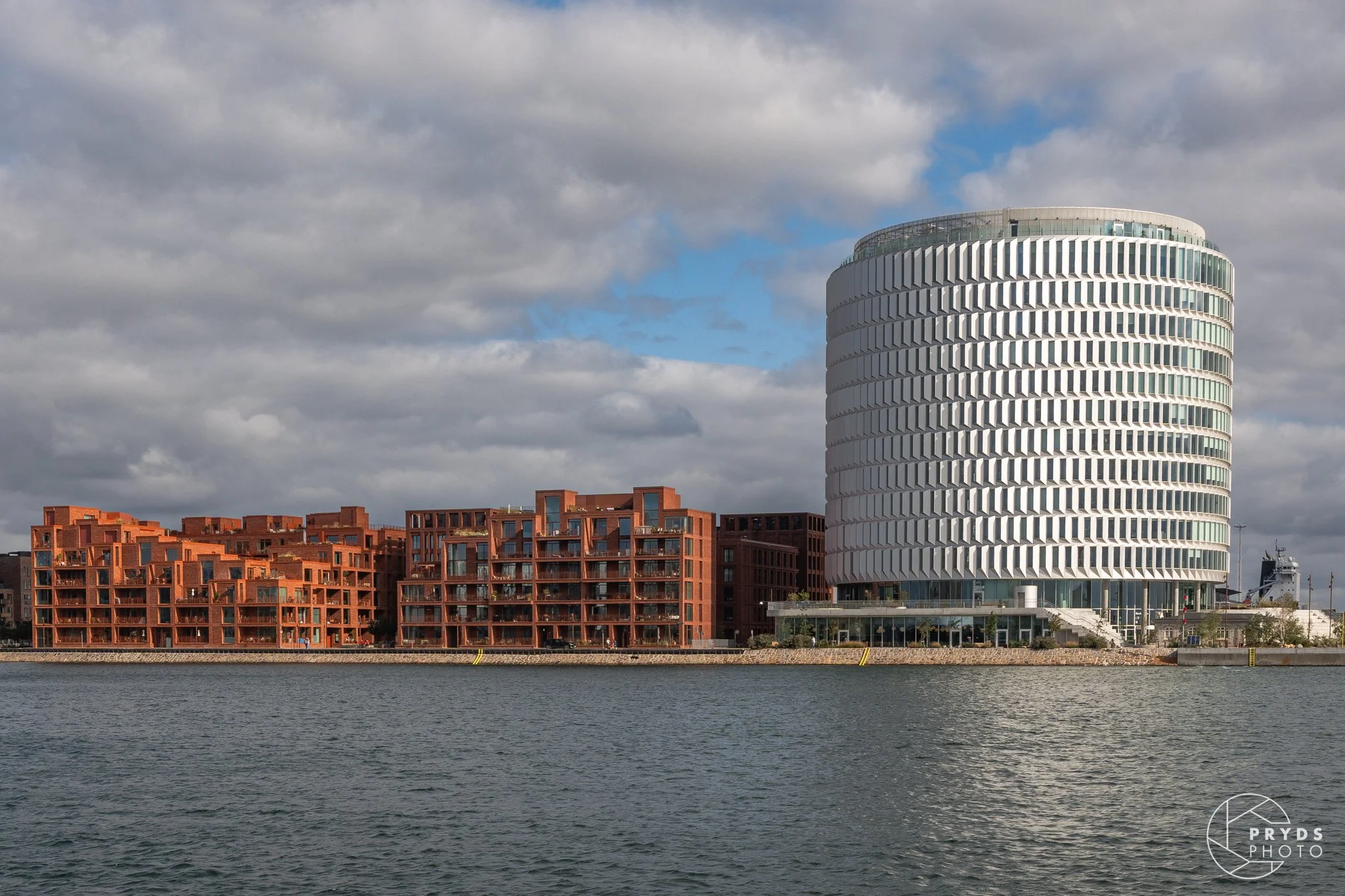
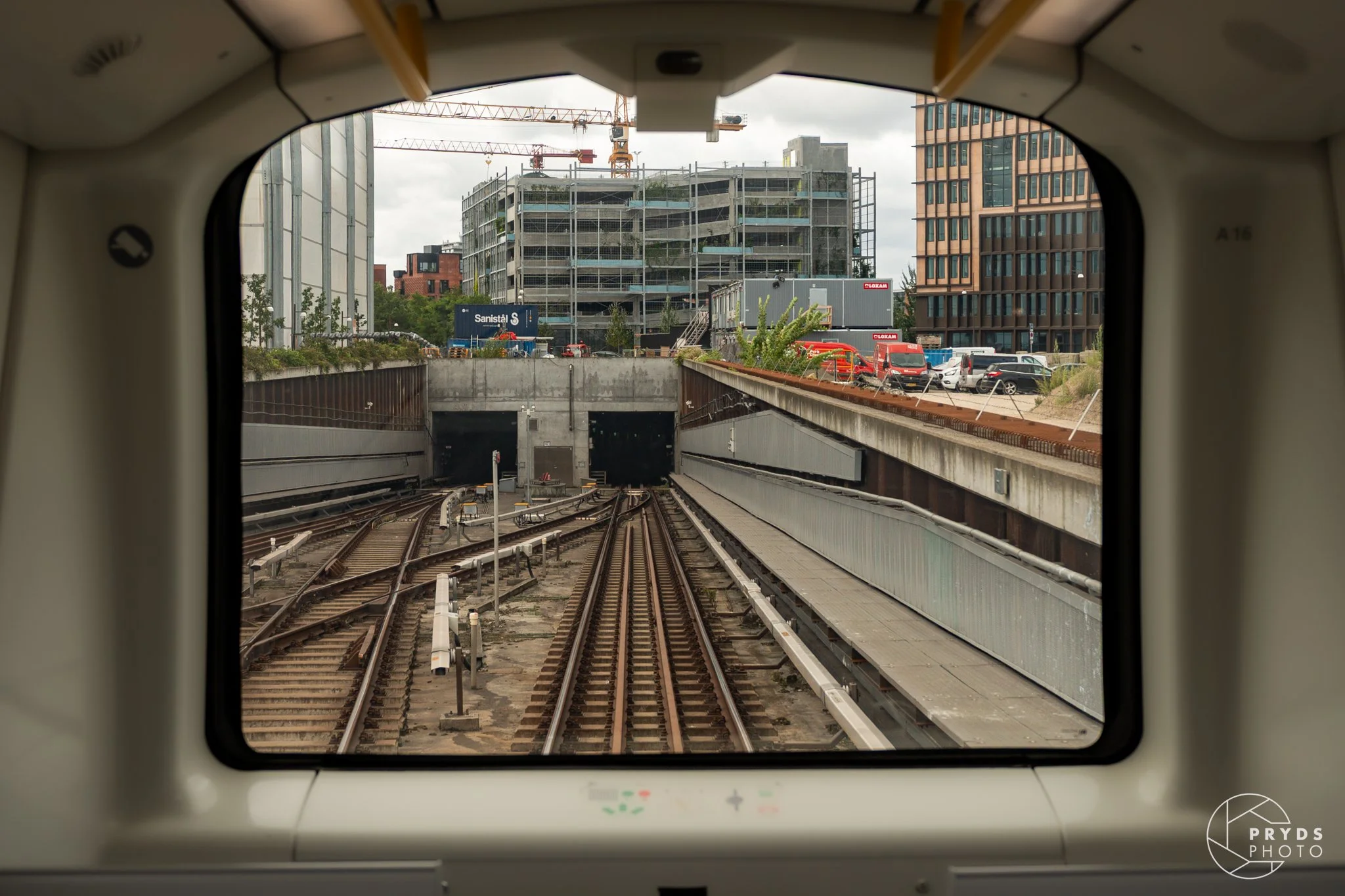
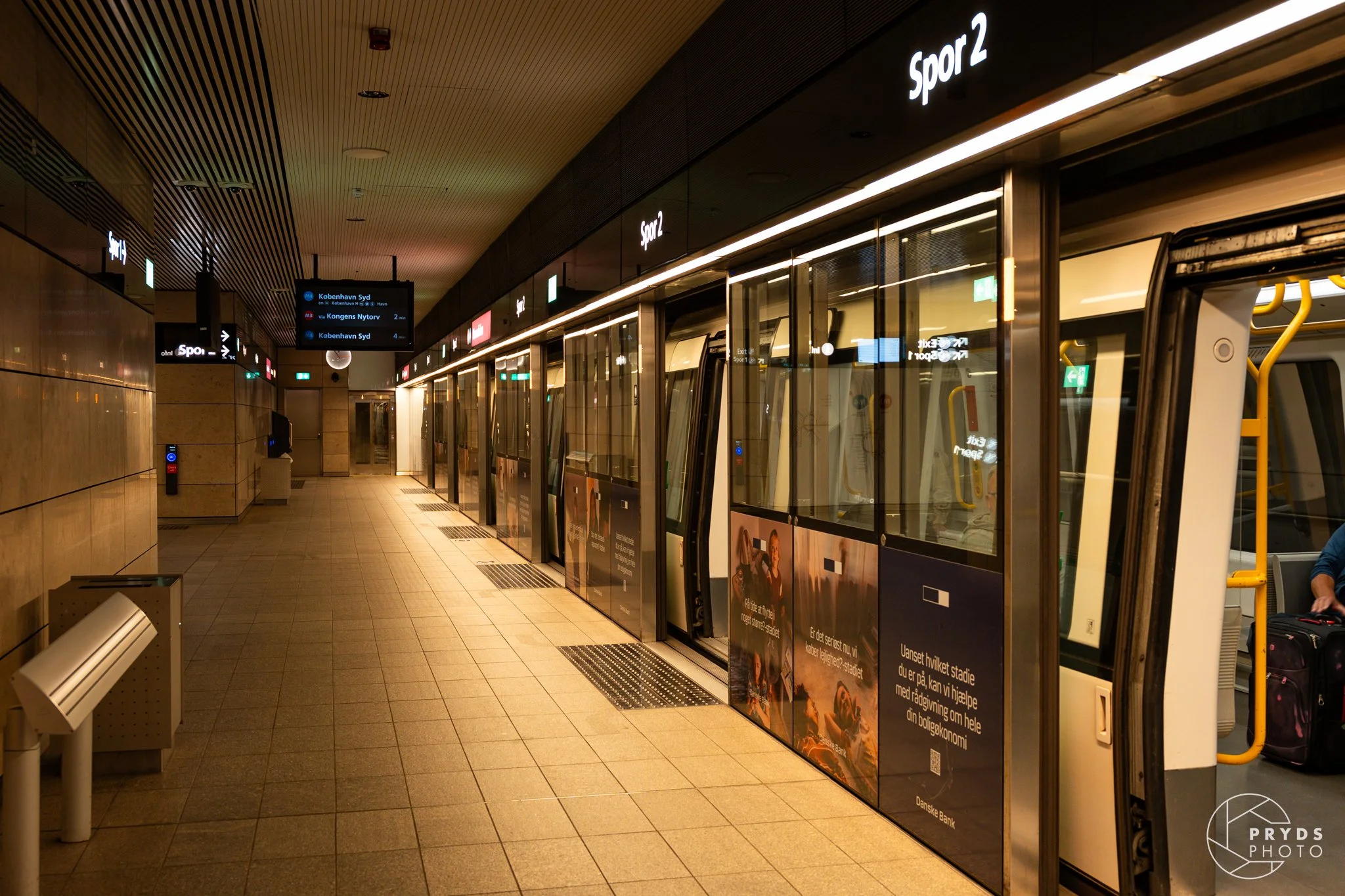
We drove to Copenhagen and used the Metro to move around — quick, clean, and convenient. I parked at Langeliniekaj, one of my favorite spots to start a photo walk. The area offers plenty of modern architecture and a calm waterfront atmosphere, perfect for warming up the camera before heading deeper into the city.
First Stop: Marmorkirken & Amalienborg
We jumped off the Metro at Marmorkirken — right before the heart of Copenhagen — and decided to walk for the rest of the day. Even with a full camera bag, the distances are manageable and filled with photo opportunities at every corner.
Our first captures were:
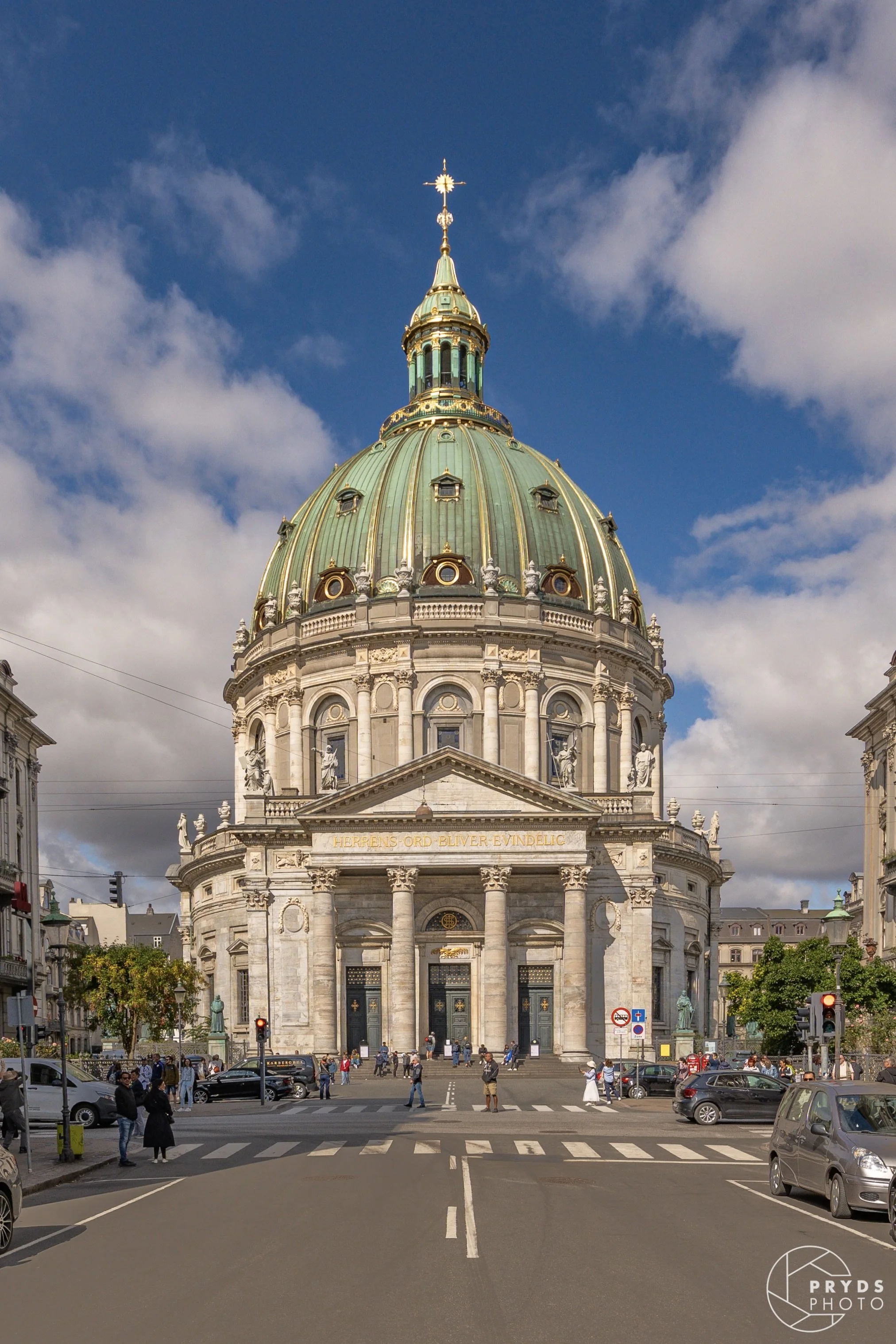
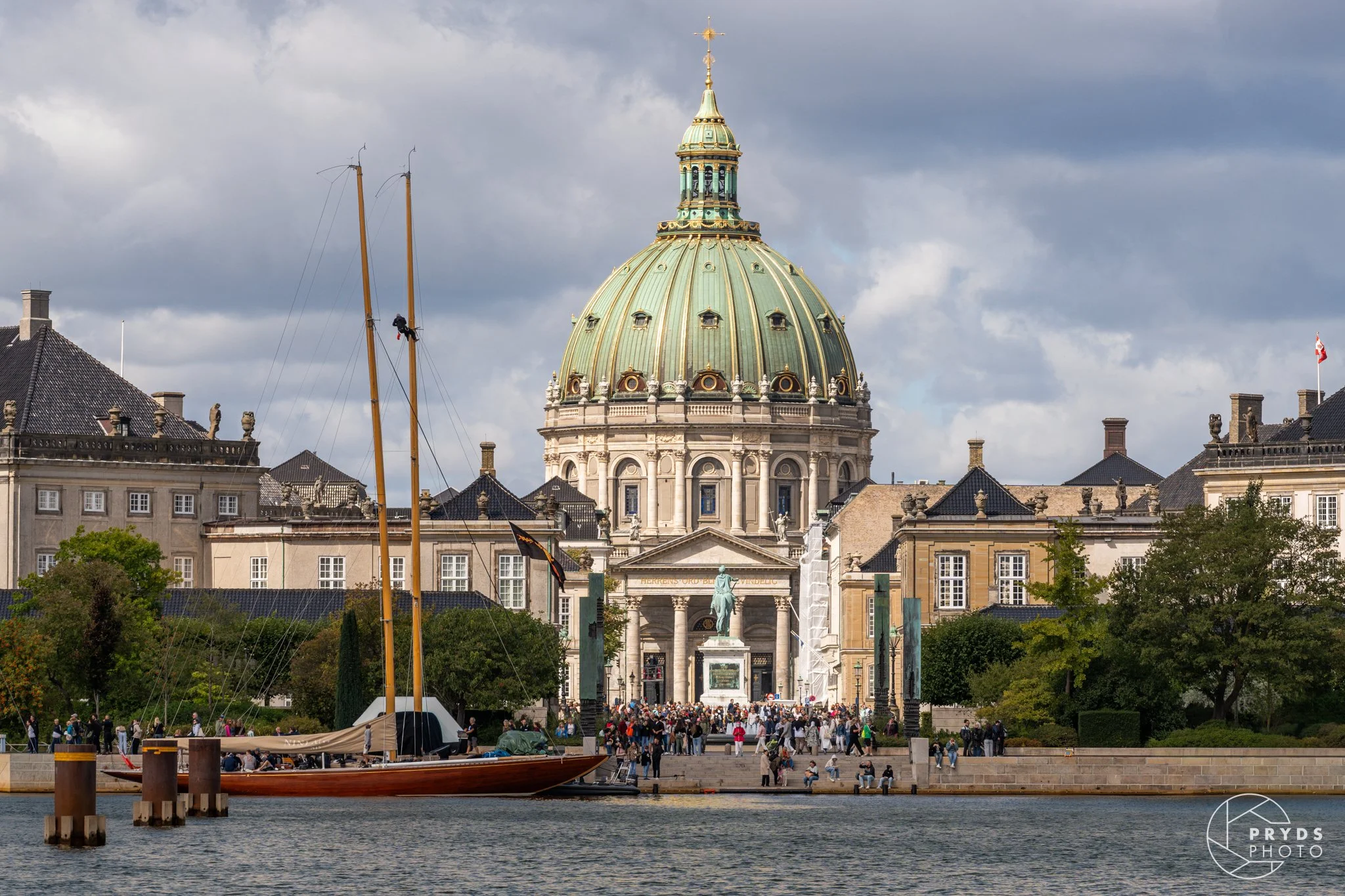
Frederiks Kirken (The Marble Church) – beautiful but crowded with tourists. Still, worth a shot.
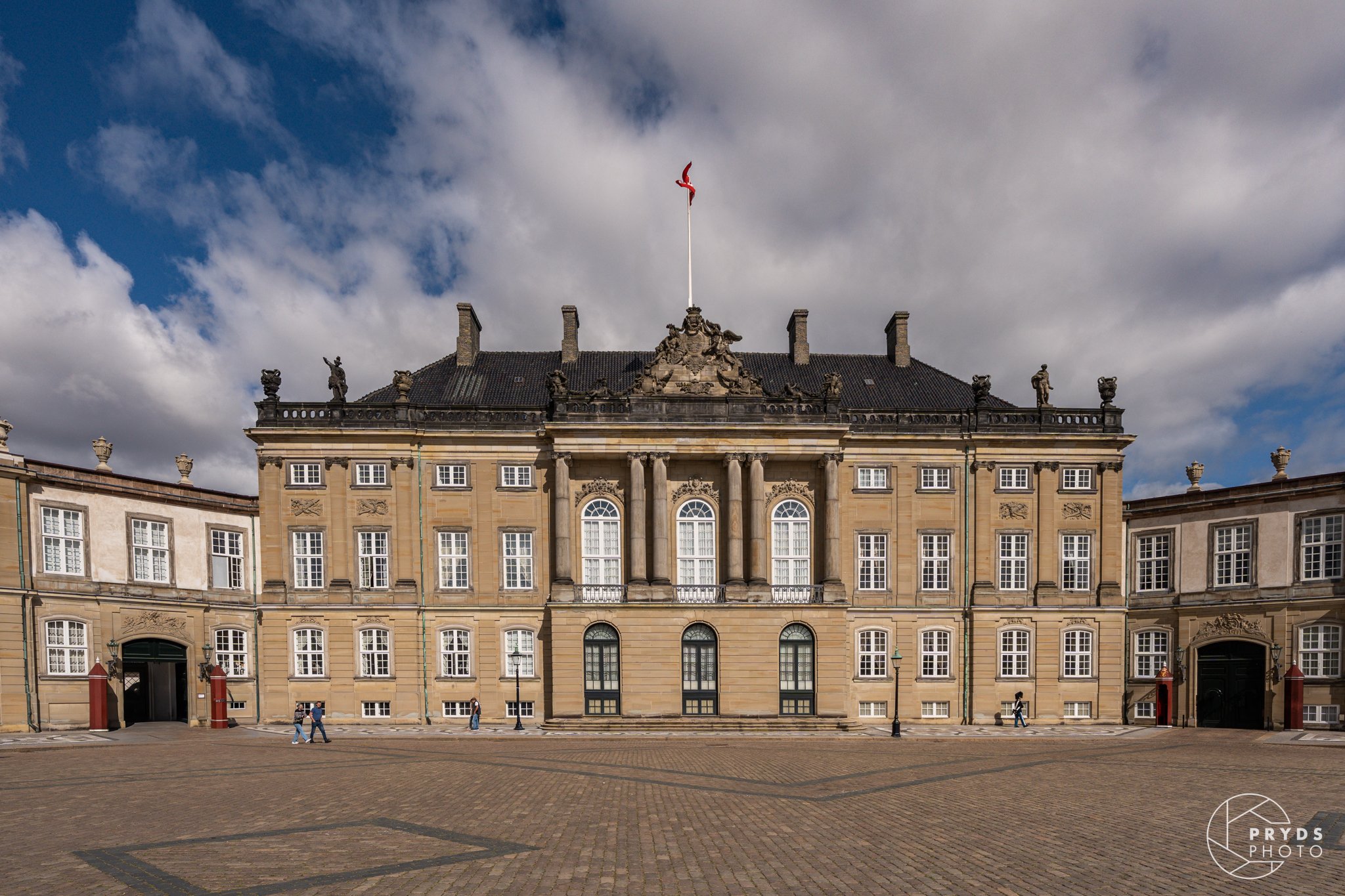
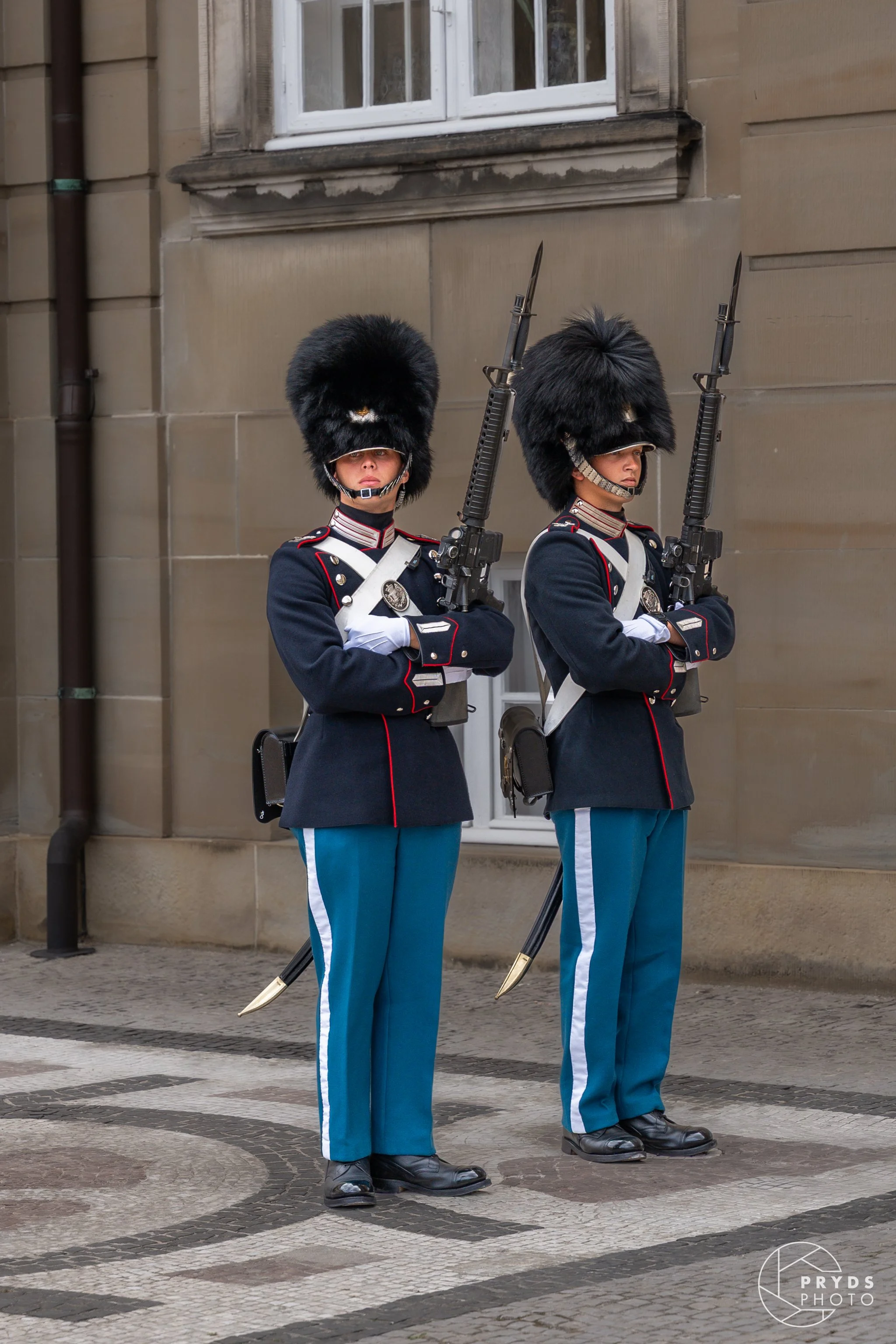
Amalienborg Palace – home to the Danish royal family, offering a full 360° view and a glimpse of the royal guards on duty.
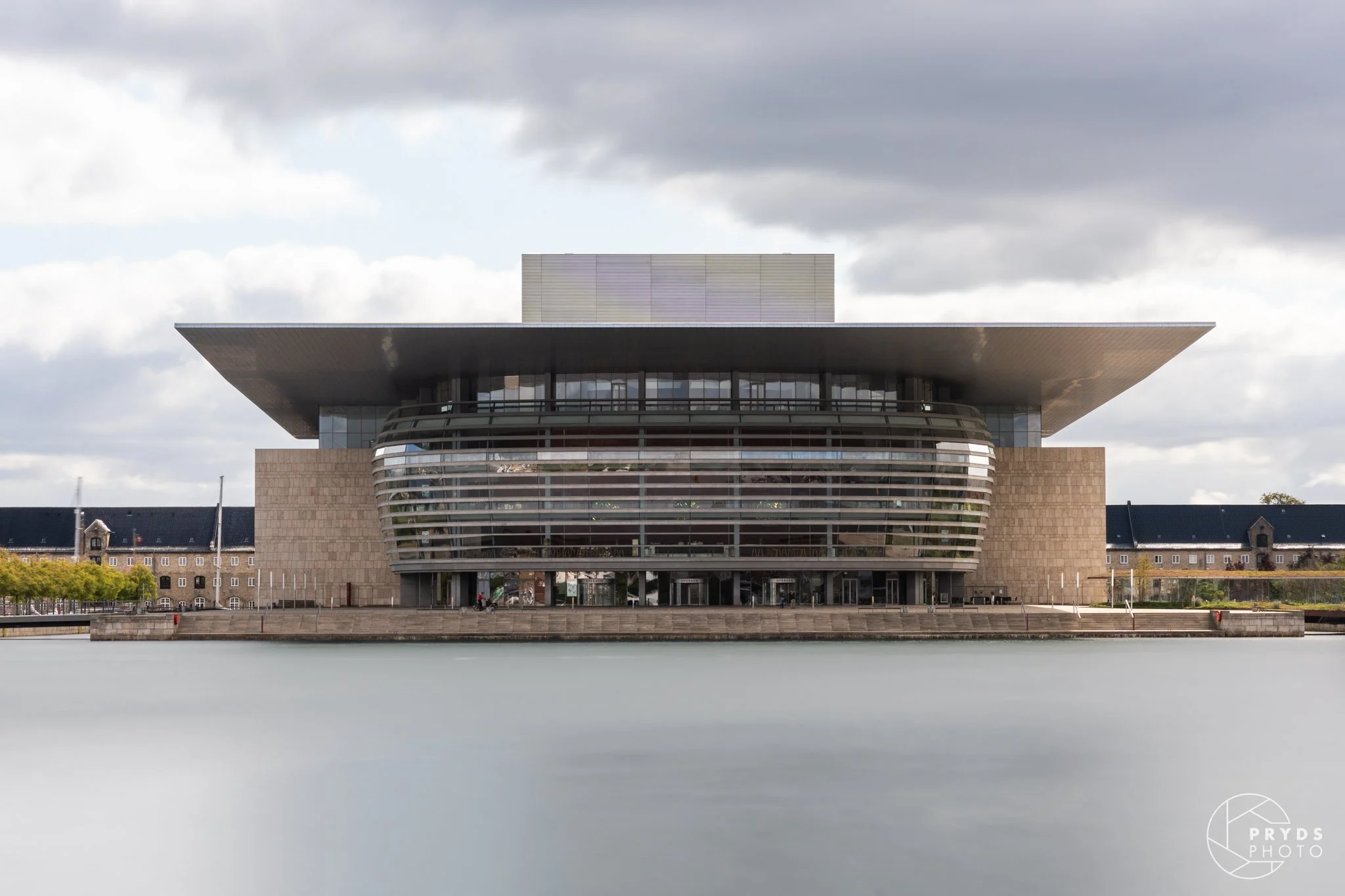
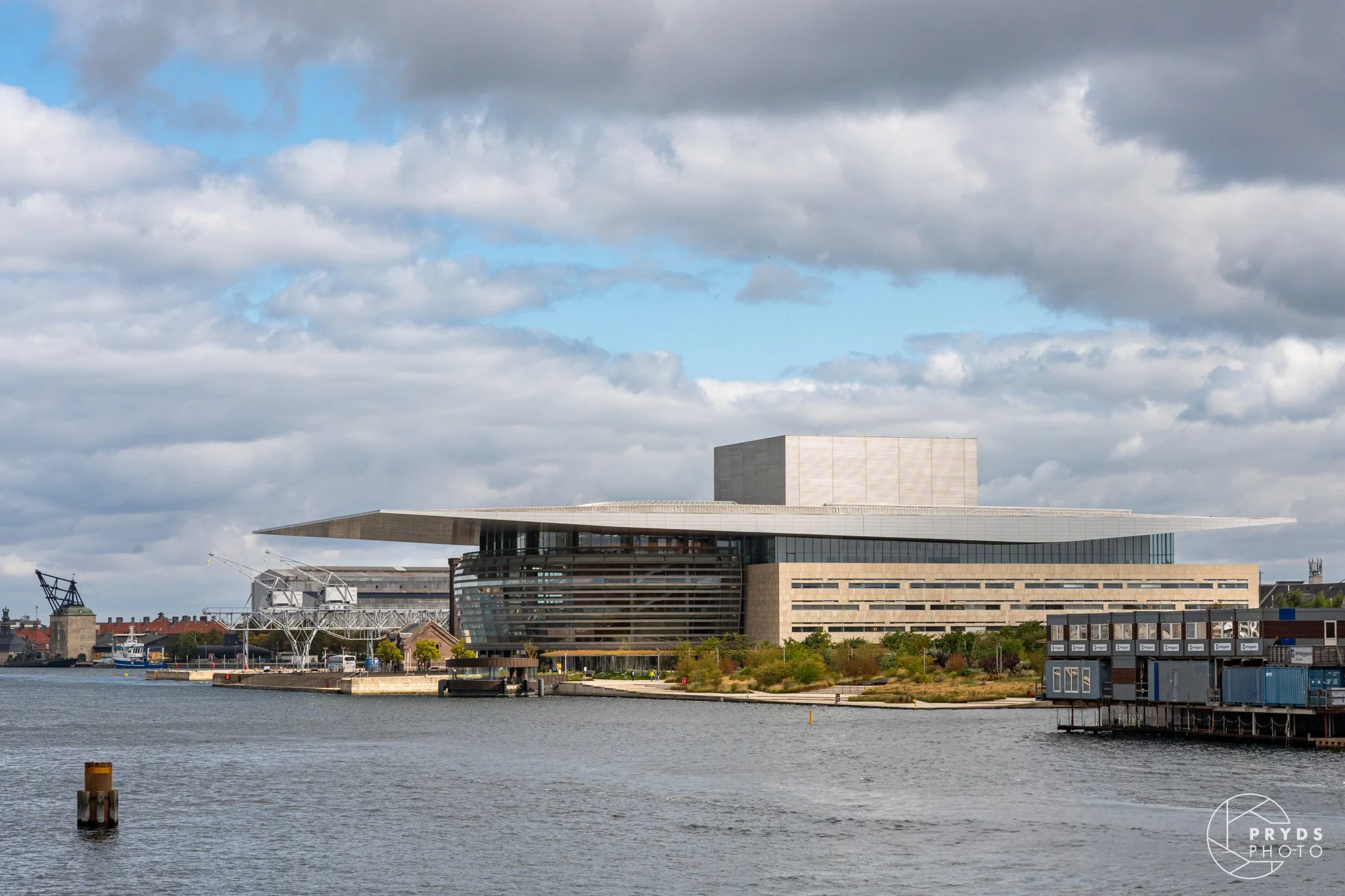
From there, we continued to the waterfront, framing the impressive Operaen (Opera House) across the water. I tried a 30-second long exposure to smooth out the waves and remove passing boats — it worked beautifully.
Crossing the Bridge to Papirøen
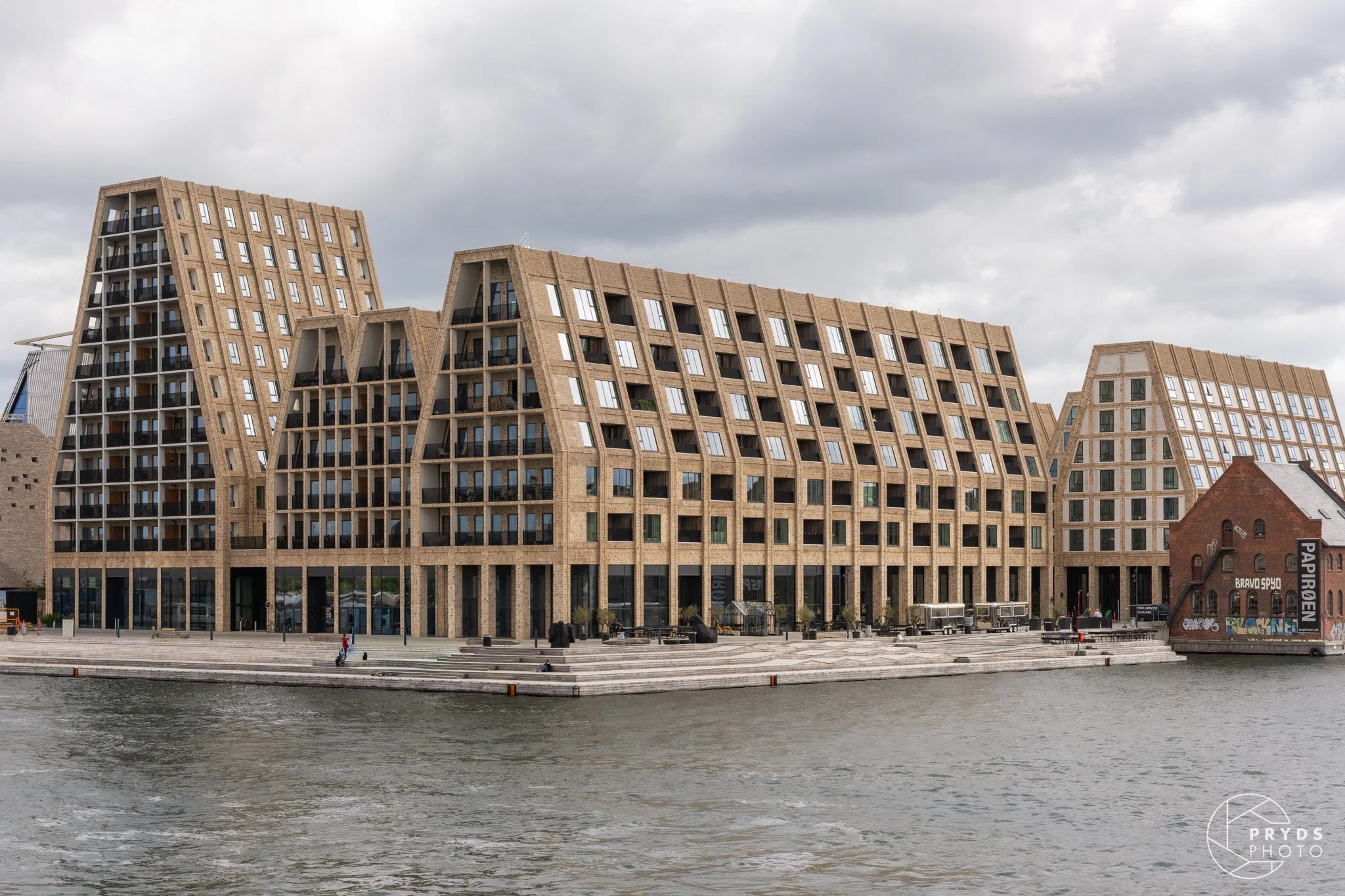
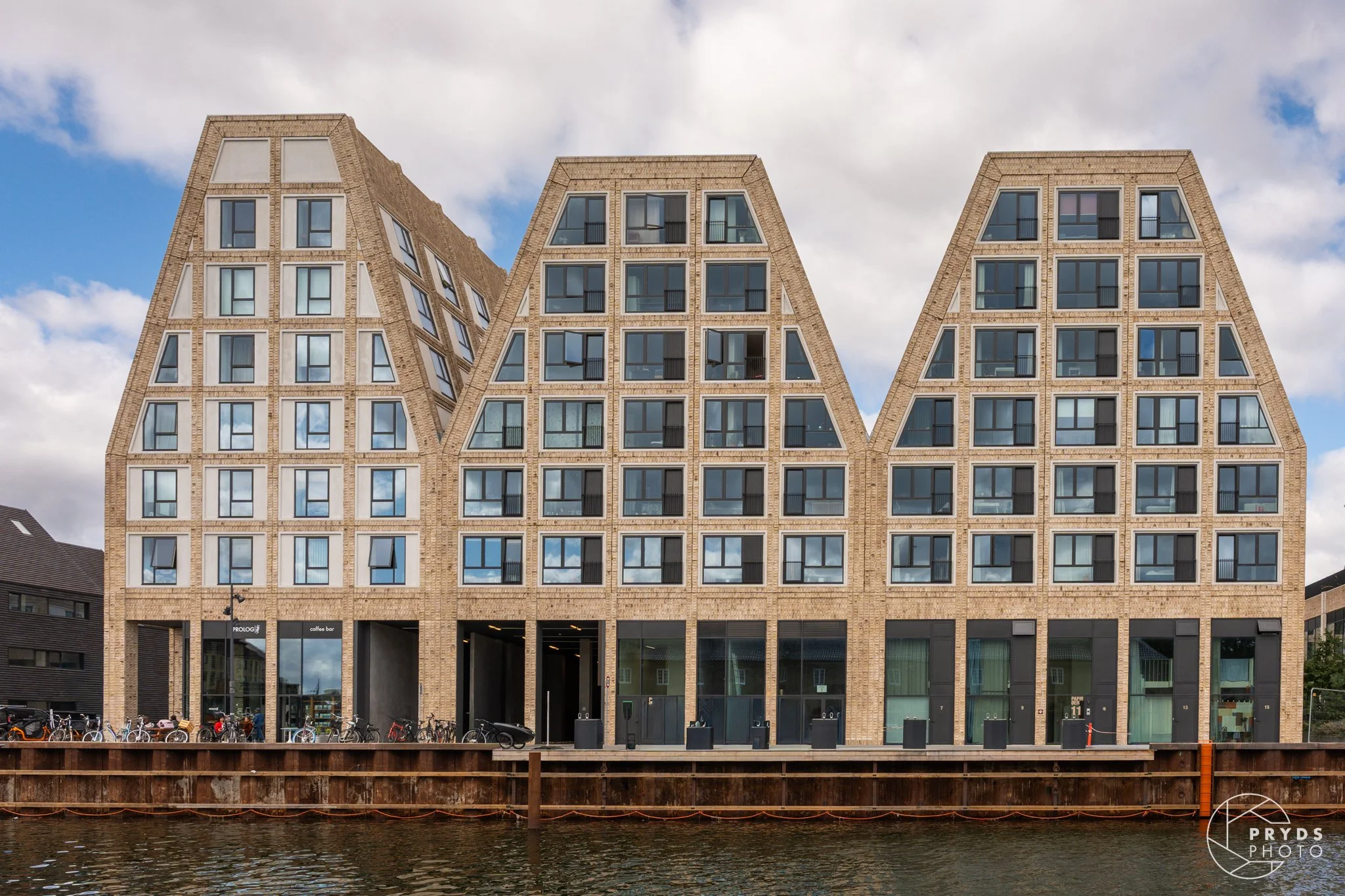
Next, we crossed Inderhavnsbroen, the inner harbor bridge, to explore the newly developed Papirøen (Paper Island). The architecture here is clean, modern, and full of creative compositions — perfect for practicing architectural photography.
From the bridge, I grabbed another shot of the Opera House, and once we reached it, I turned my lens back toward Frederiks Kirken. With a 400mm lens, the compression effect created a dramatic perspective — church, ship, and skyline all layered together.
Lunch by the Opera Park
We spent a good while around the Opera House and the Opera Park, one of the most scenic areas for photographers. Every angle offered something different — clean lines, reflections, and open water views.
We enjoyed lunch here as well. There’s a café nearby, but it’s just as pleasant to bring your own food and enjoy it in the park.
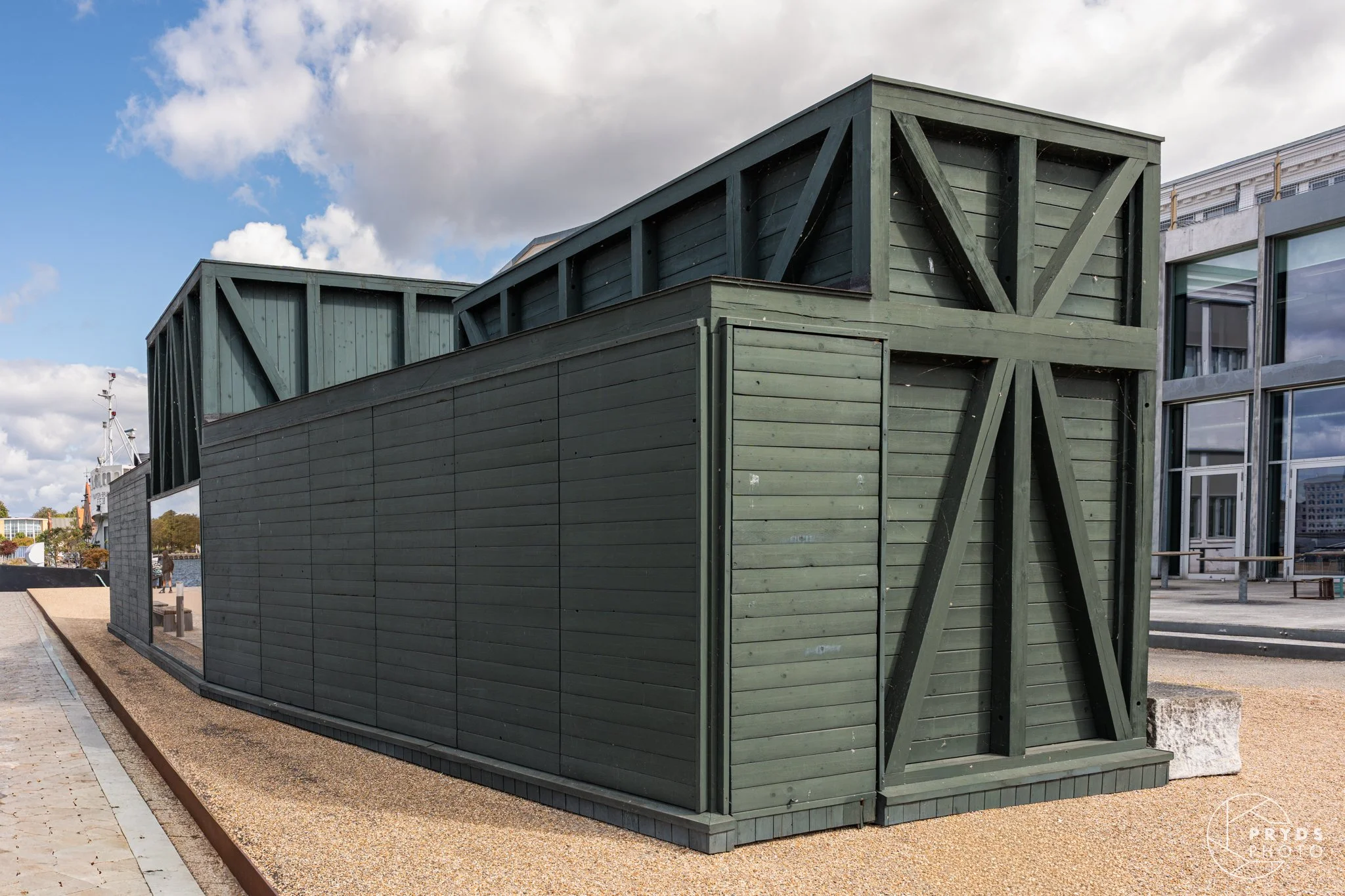
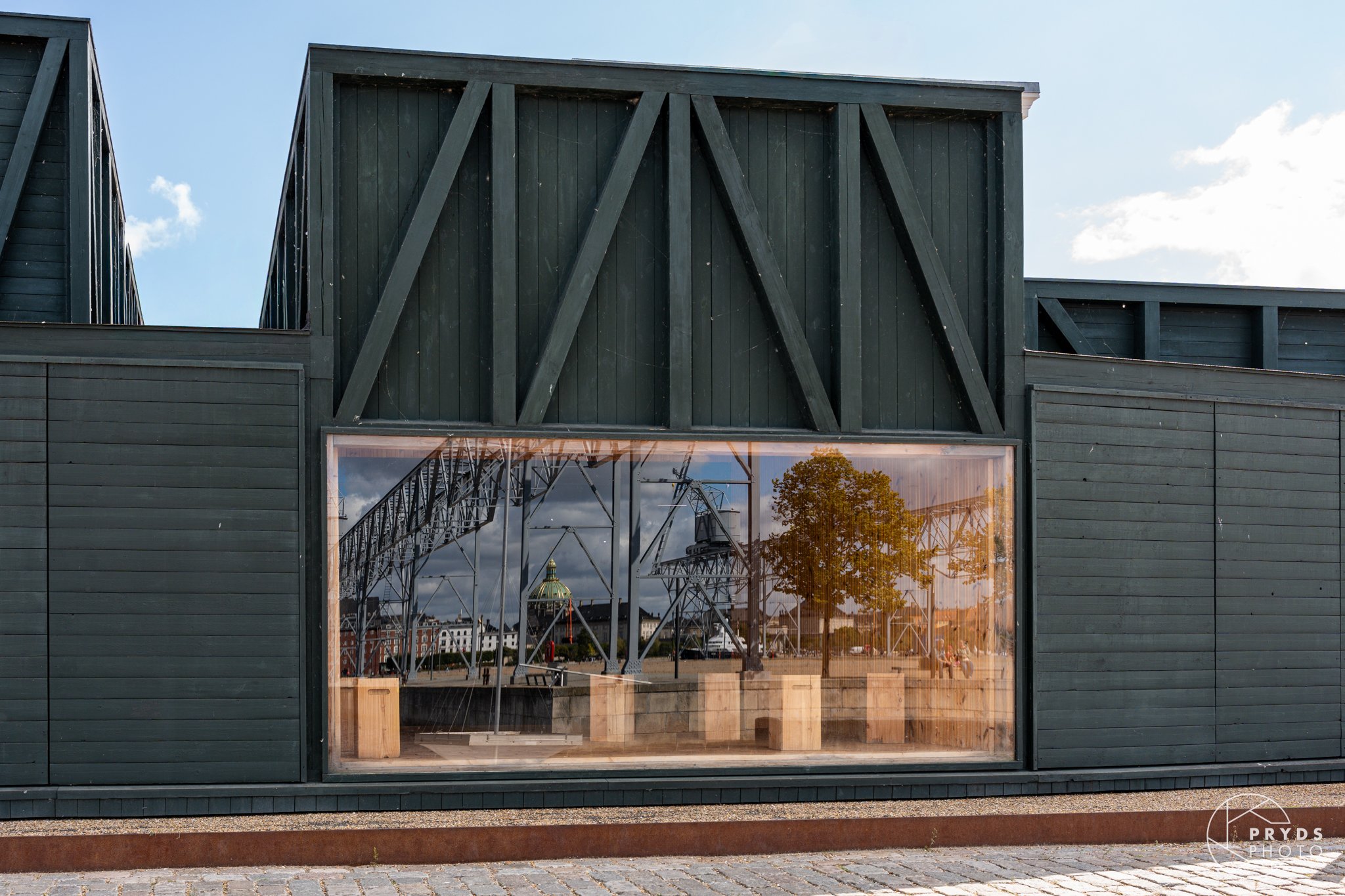
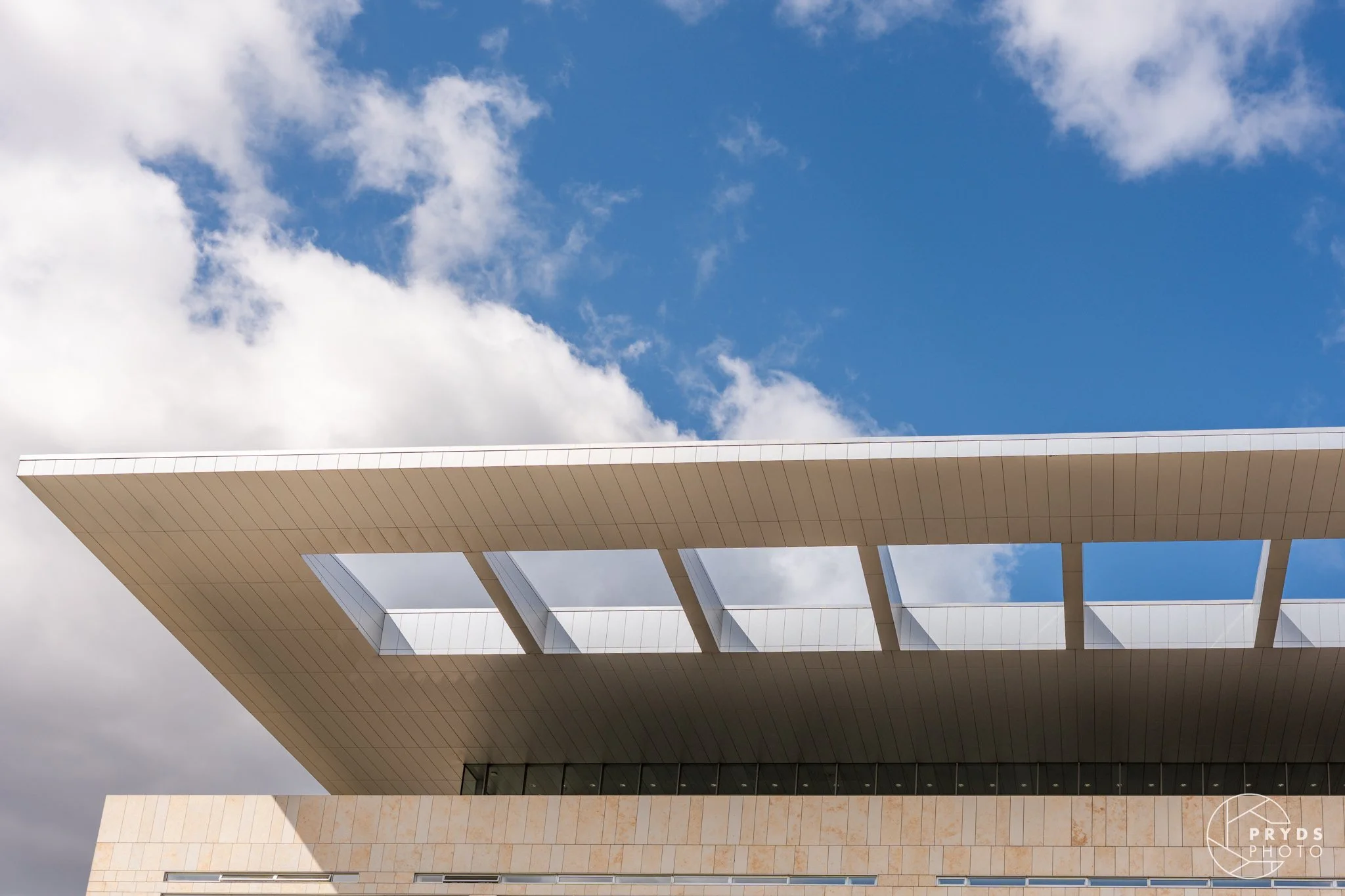
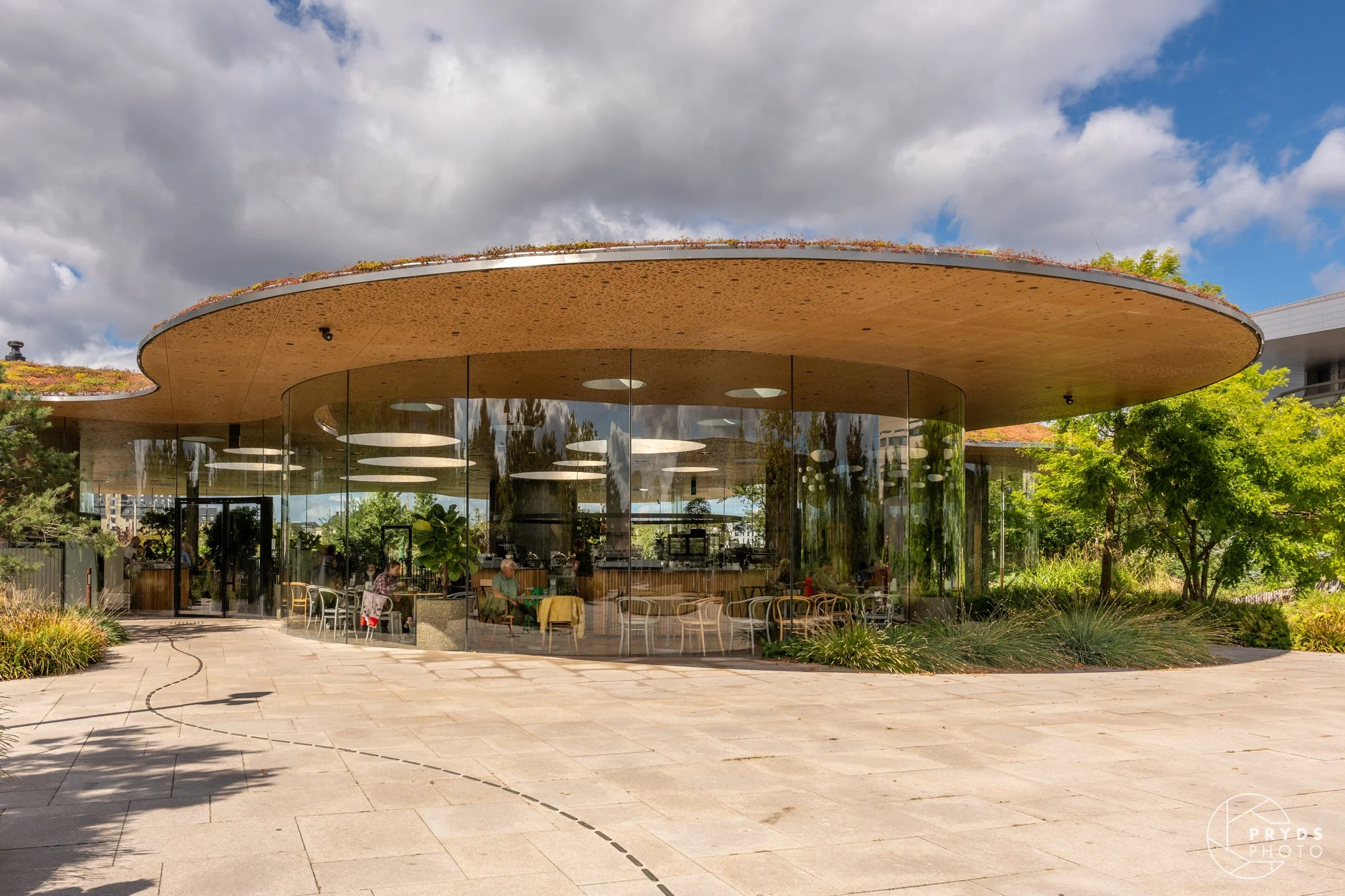
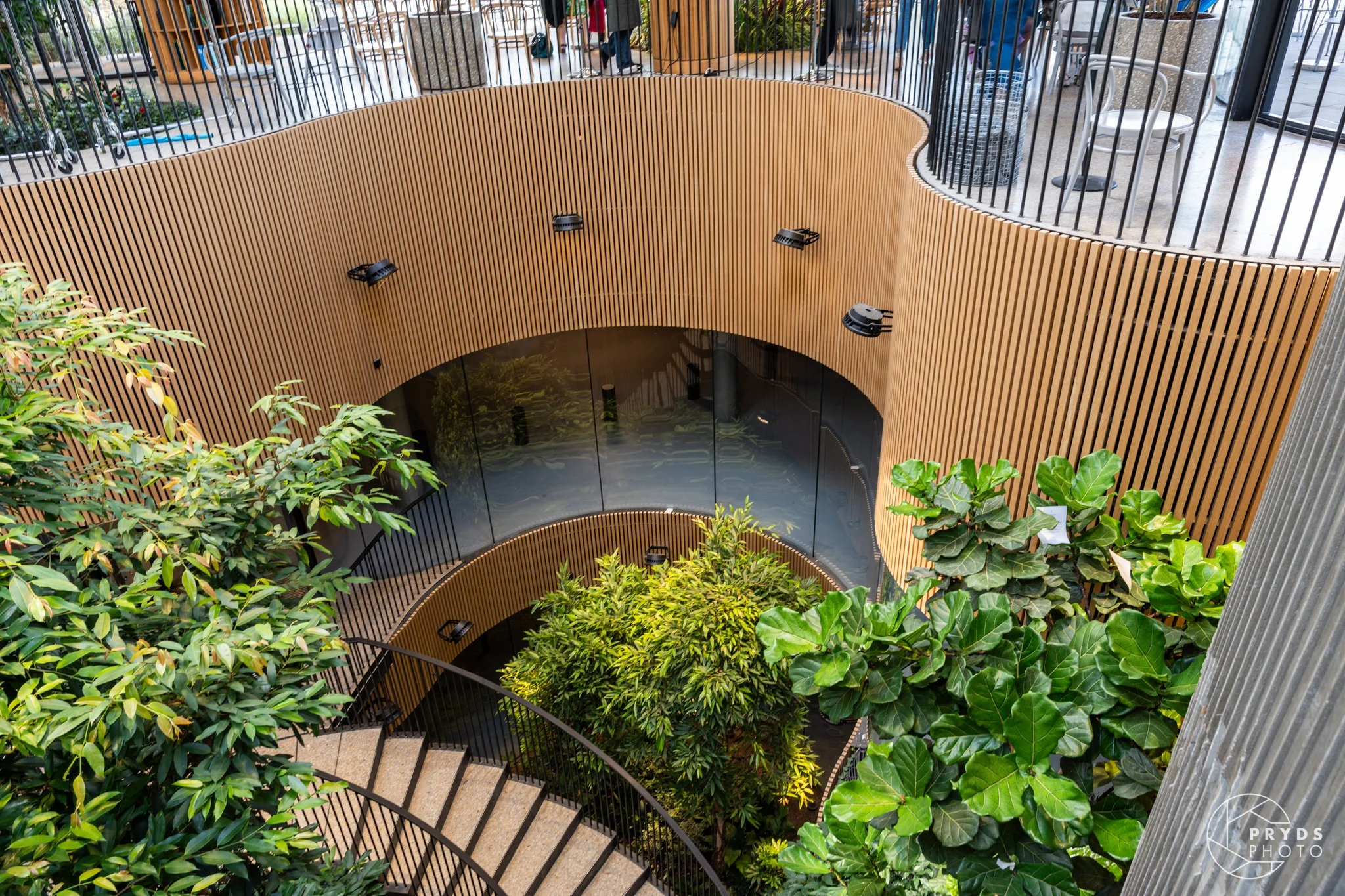
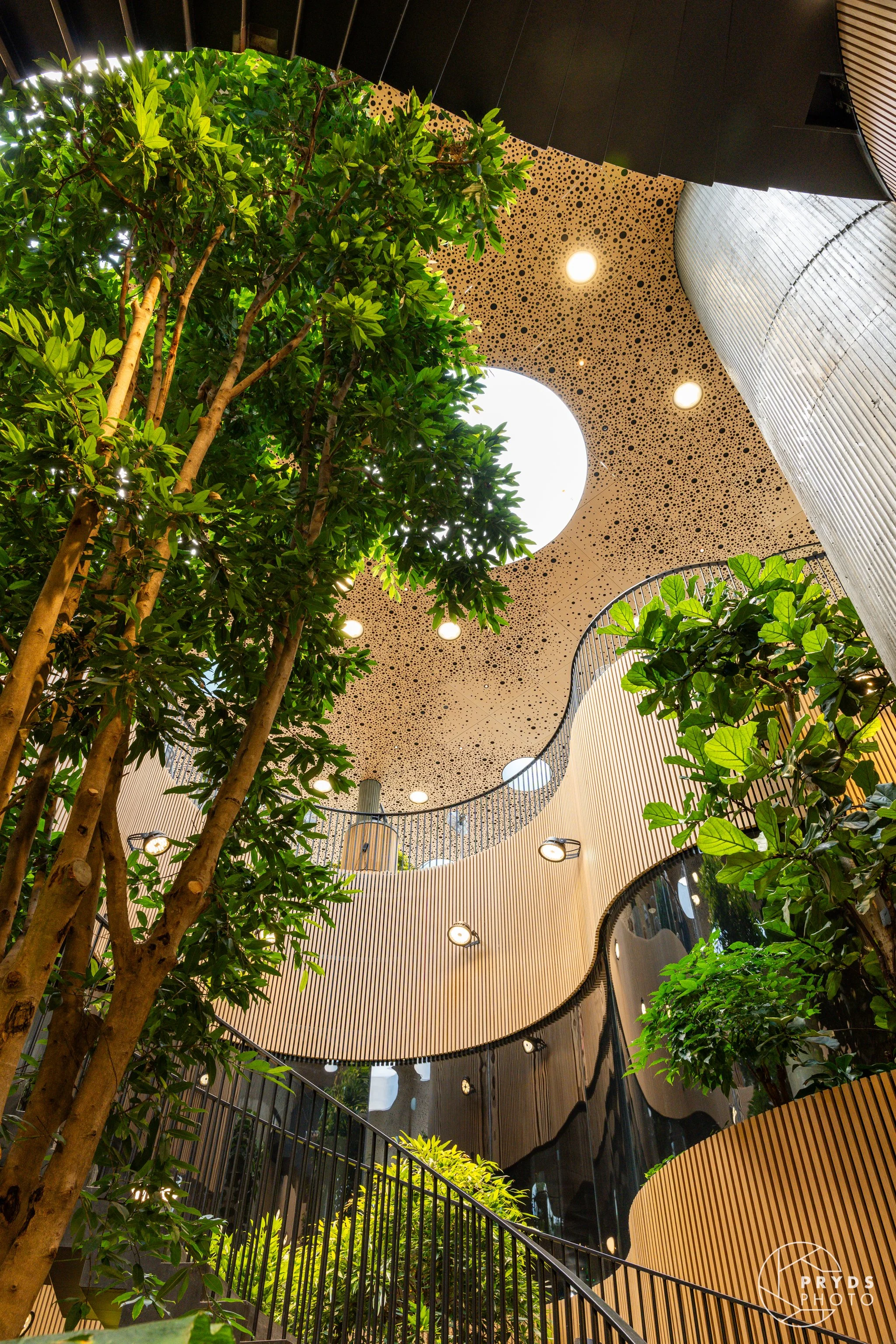
Architectural Gem: Dagslys Pavillon
Just beside the Opera, you’ll find Dagslys Pavillon — a beautiful piece of architecture designed by my family member, Claus Pryds. It’s a must-see if you appreciate Danish design — elegant, minimal, and light-driven.
Late Afternoon Photo Walk
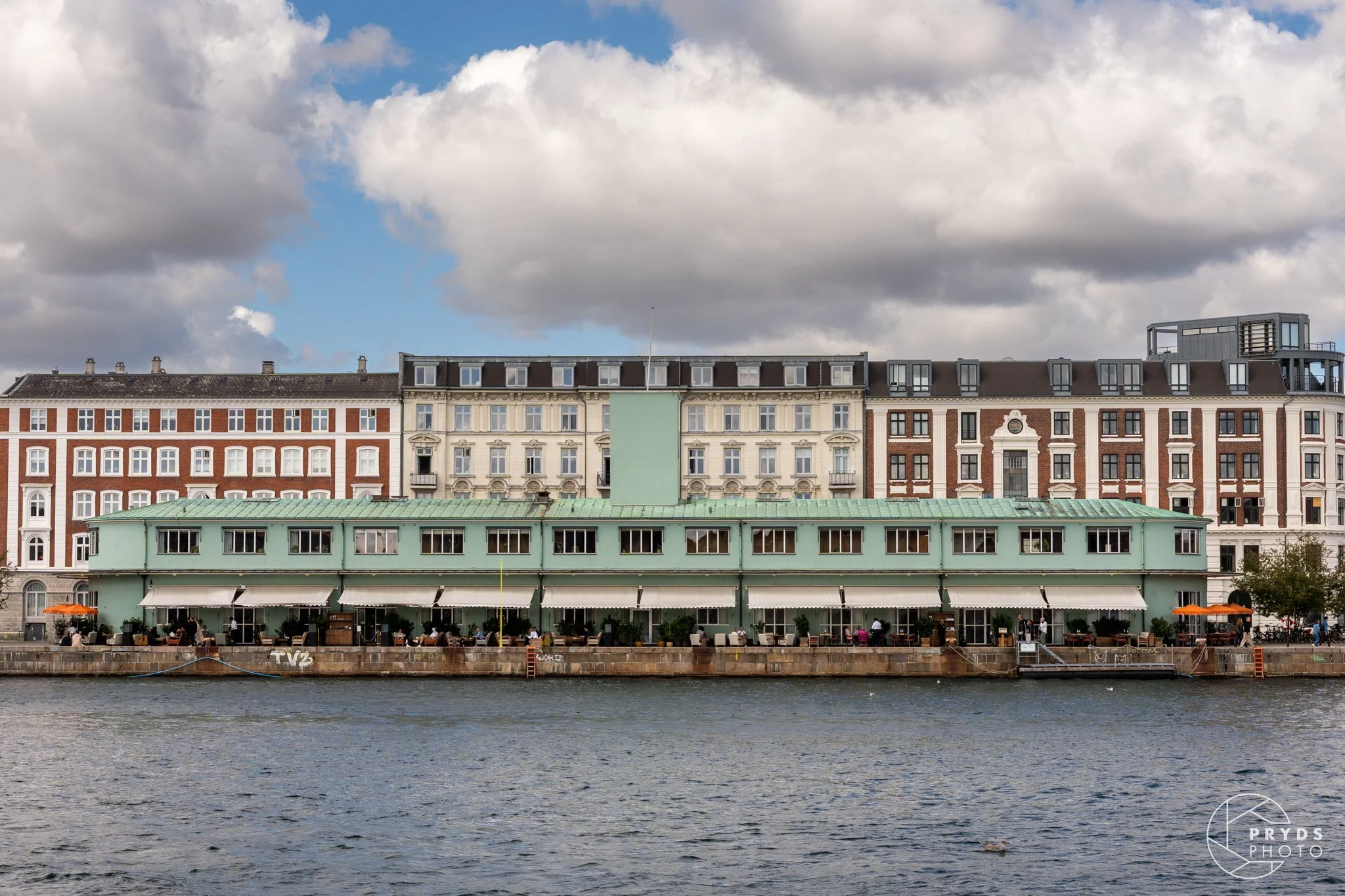
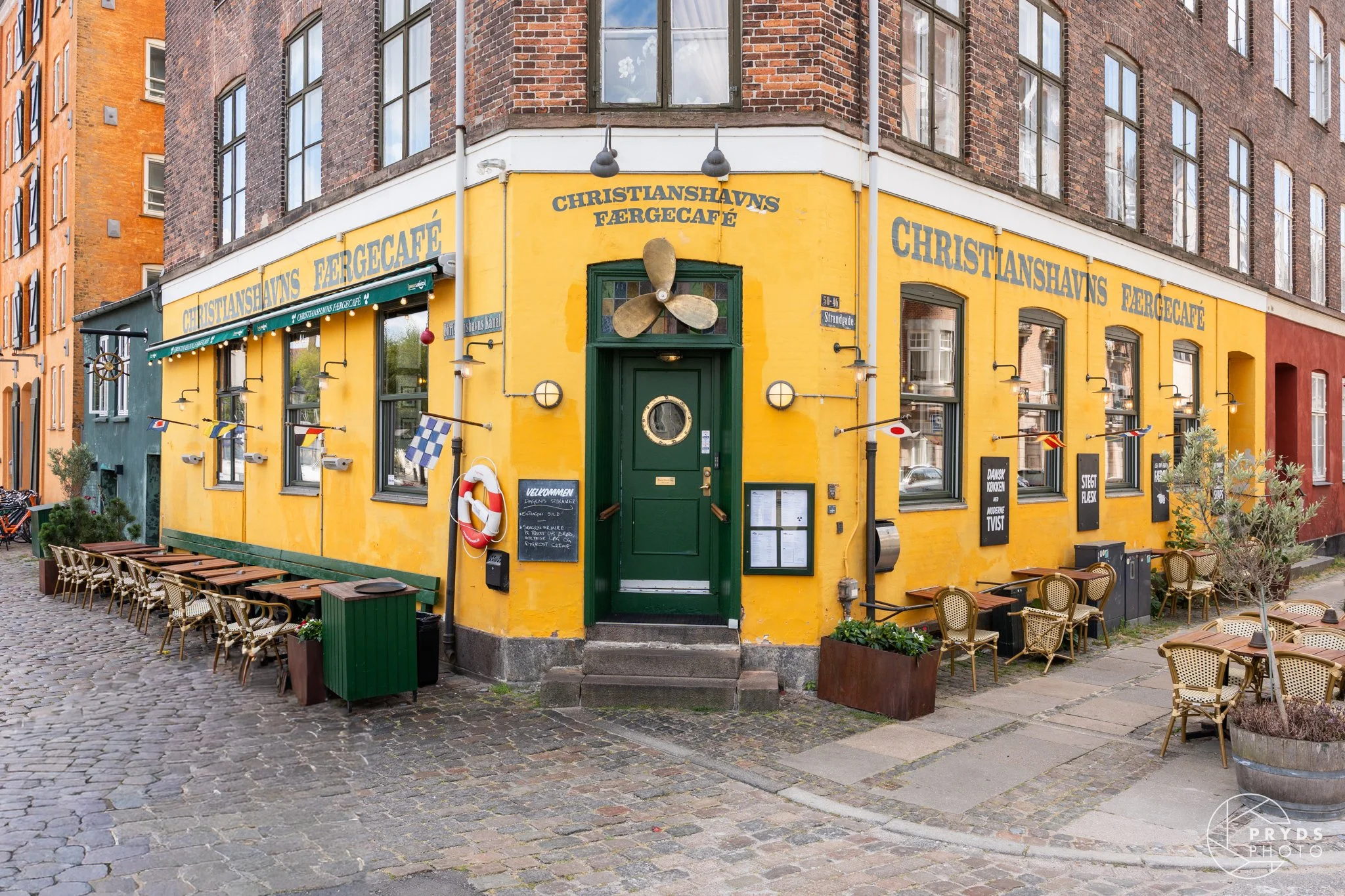
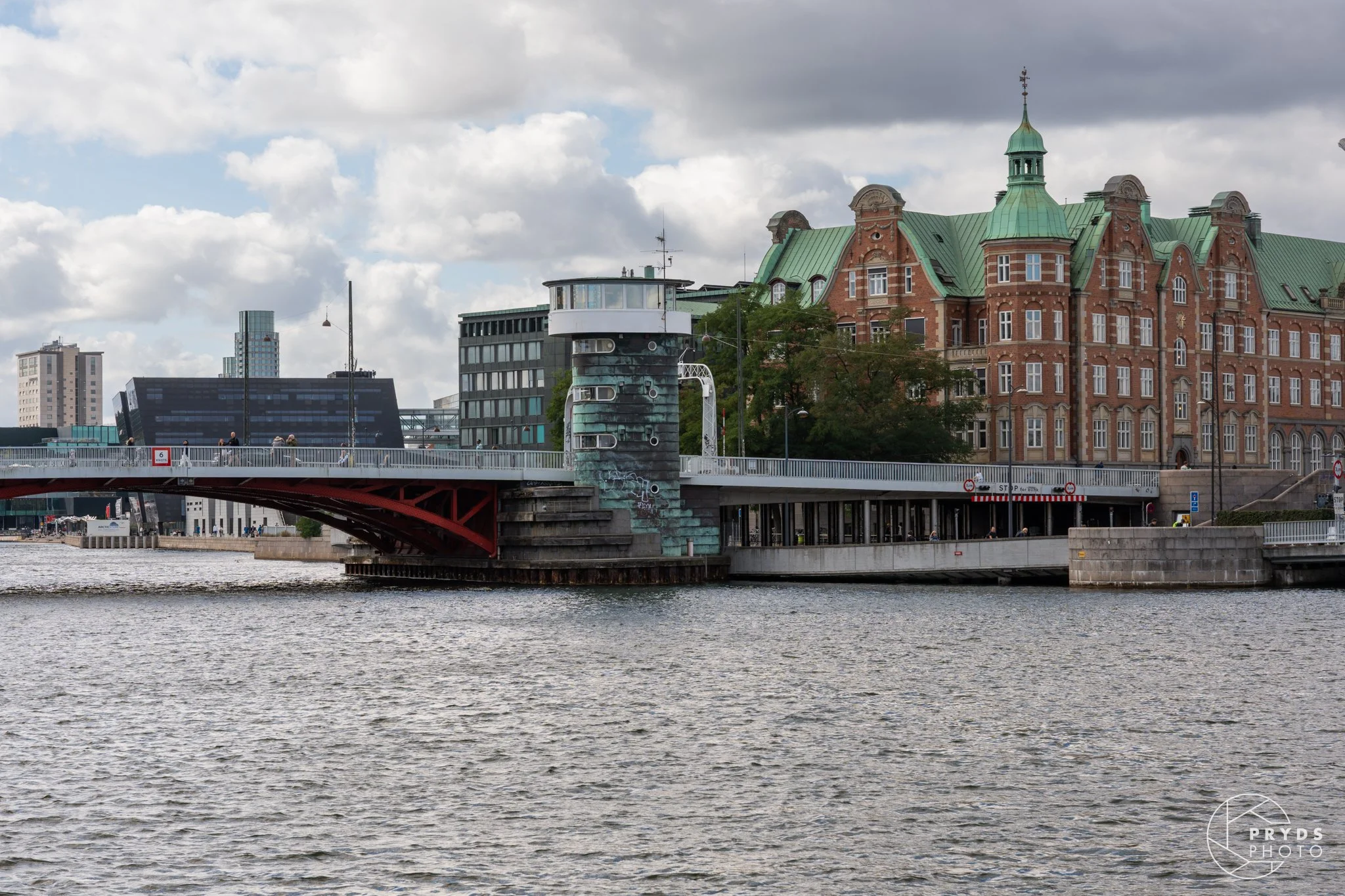
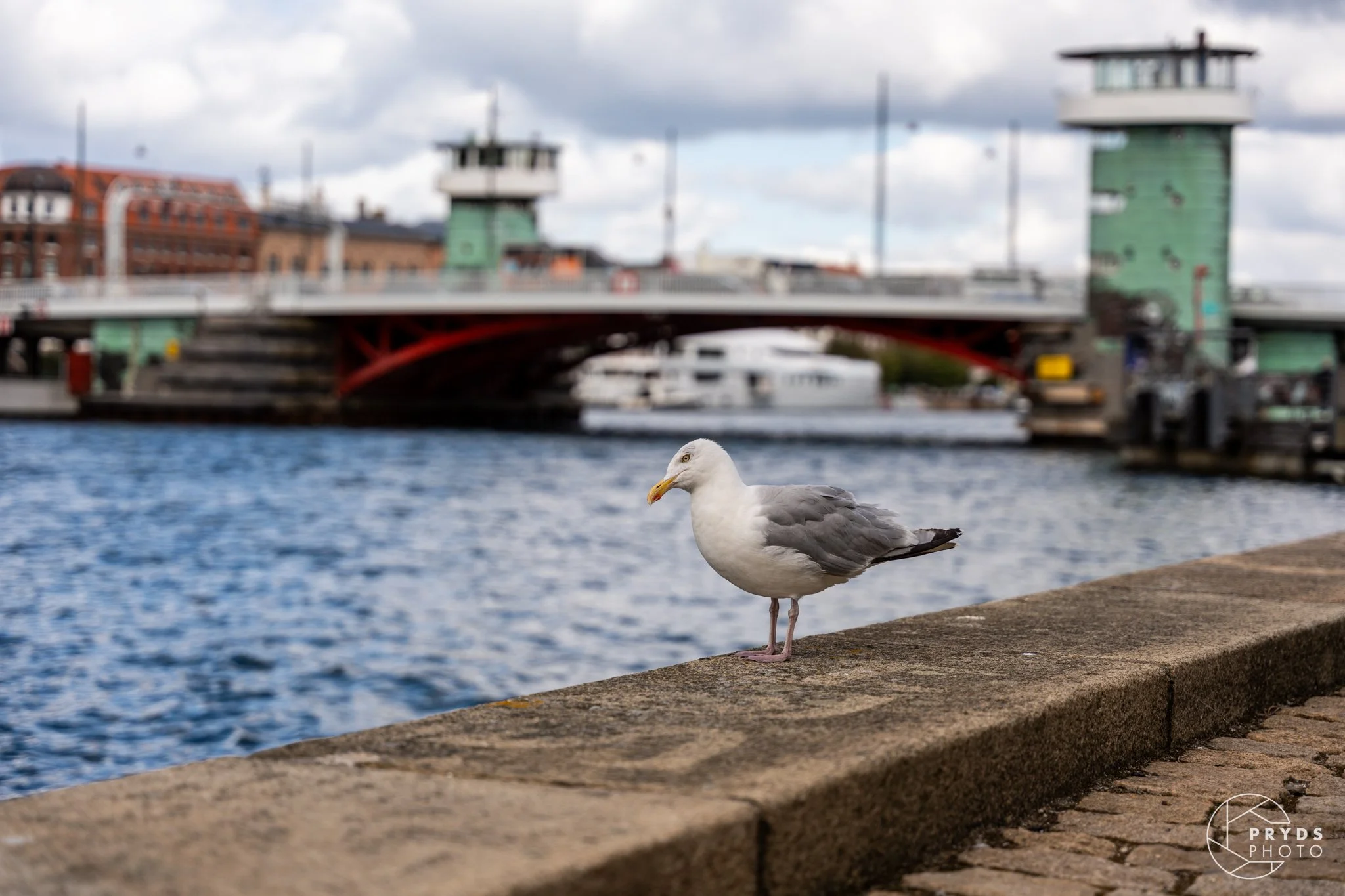
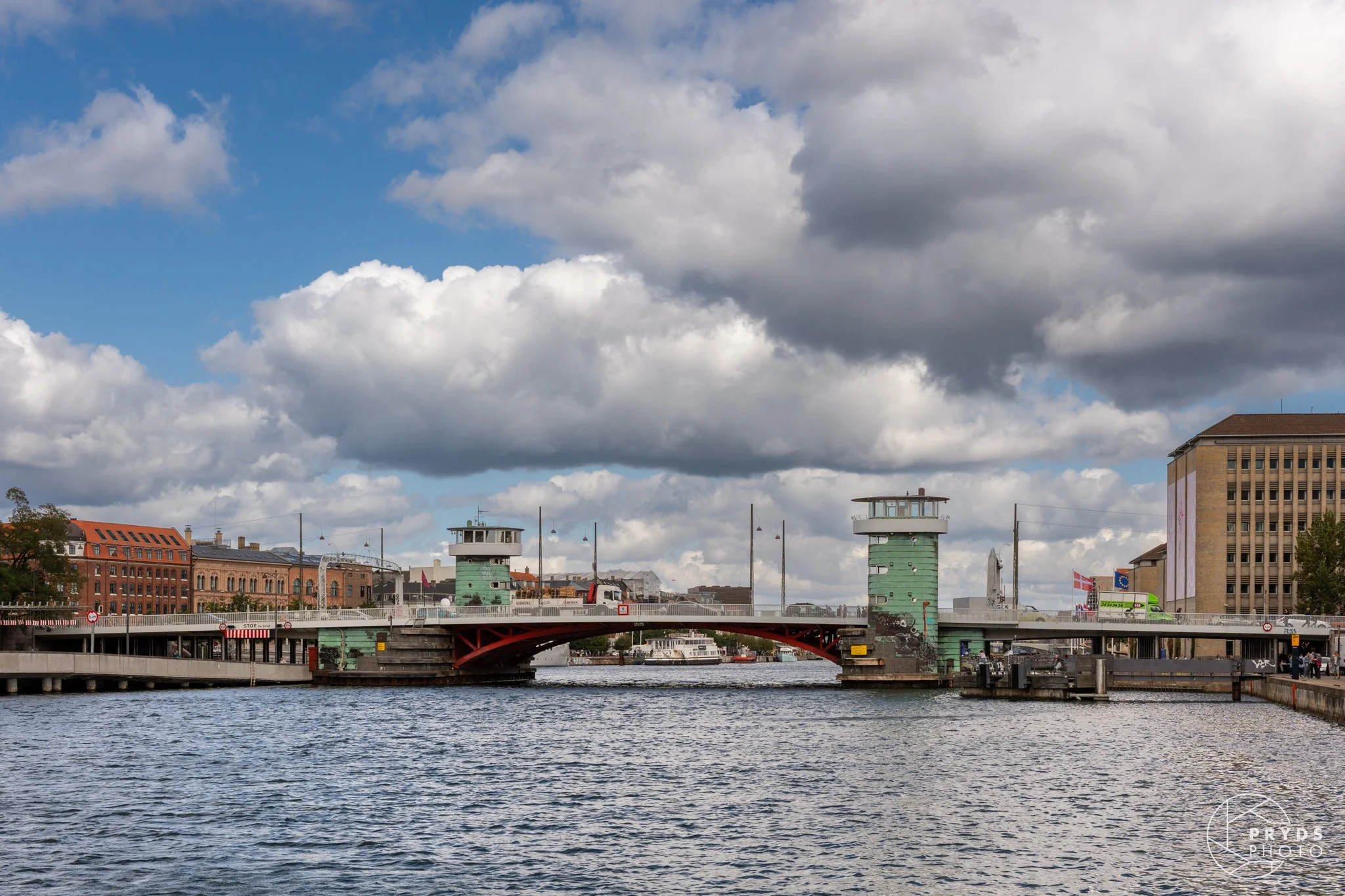
The rest of the afternoon was spent wandering along the waterfront, chasing interesting reflections and cityscapes. Copenhagen rewards those who slow down — every corner holds a new composition.
The Royal Library & Christiansborg
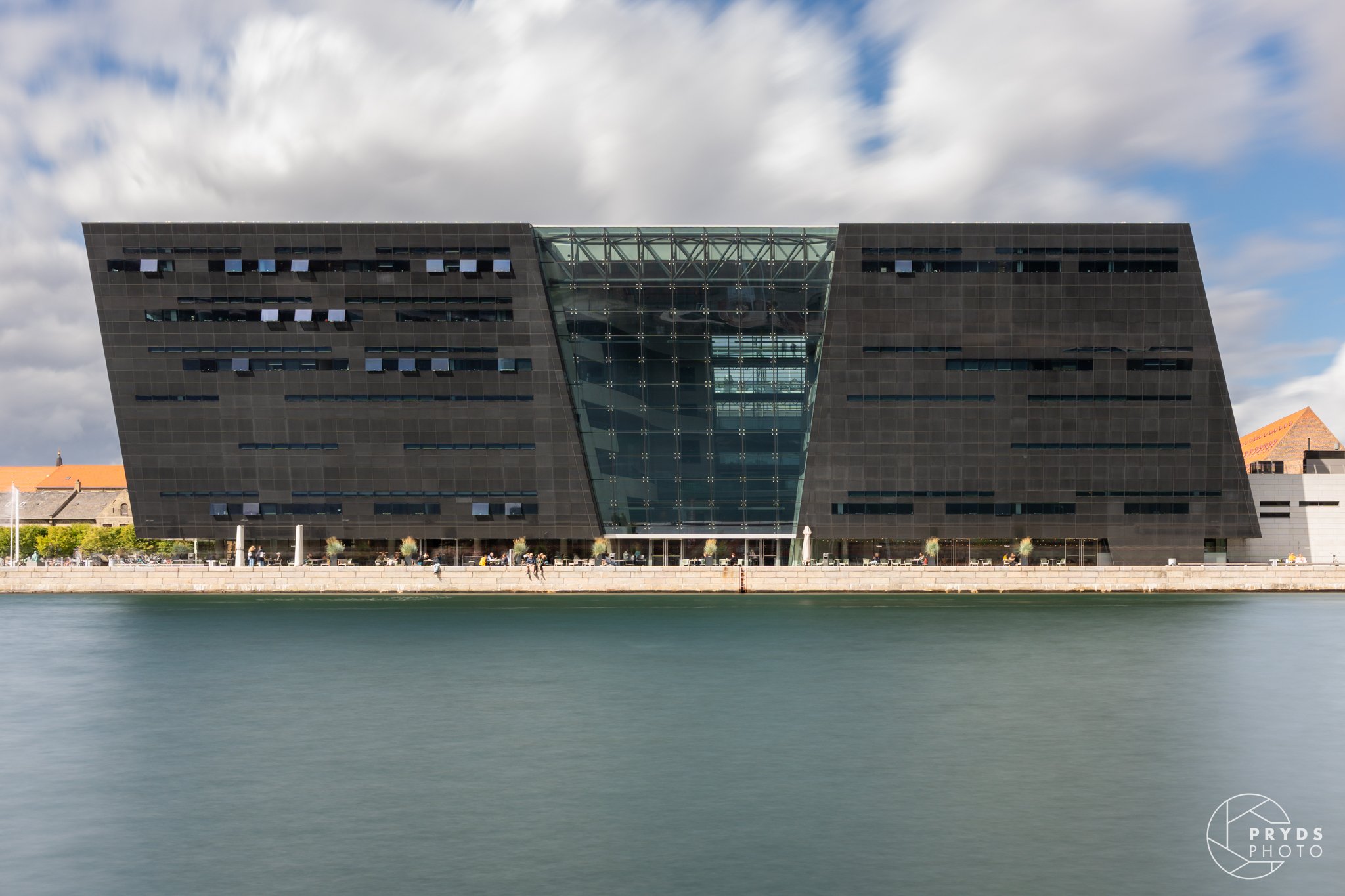
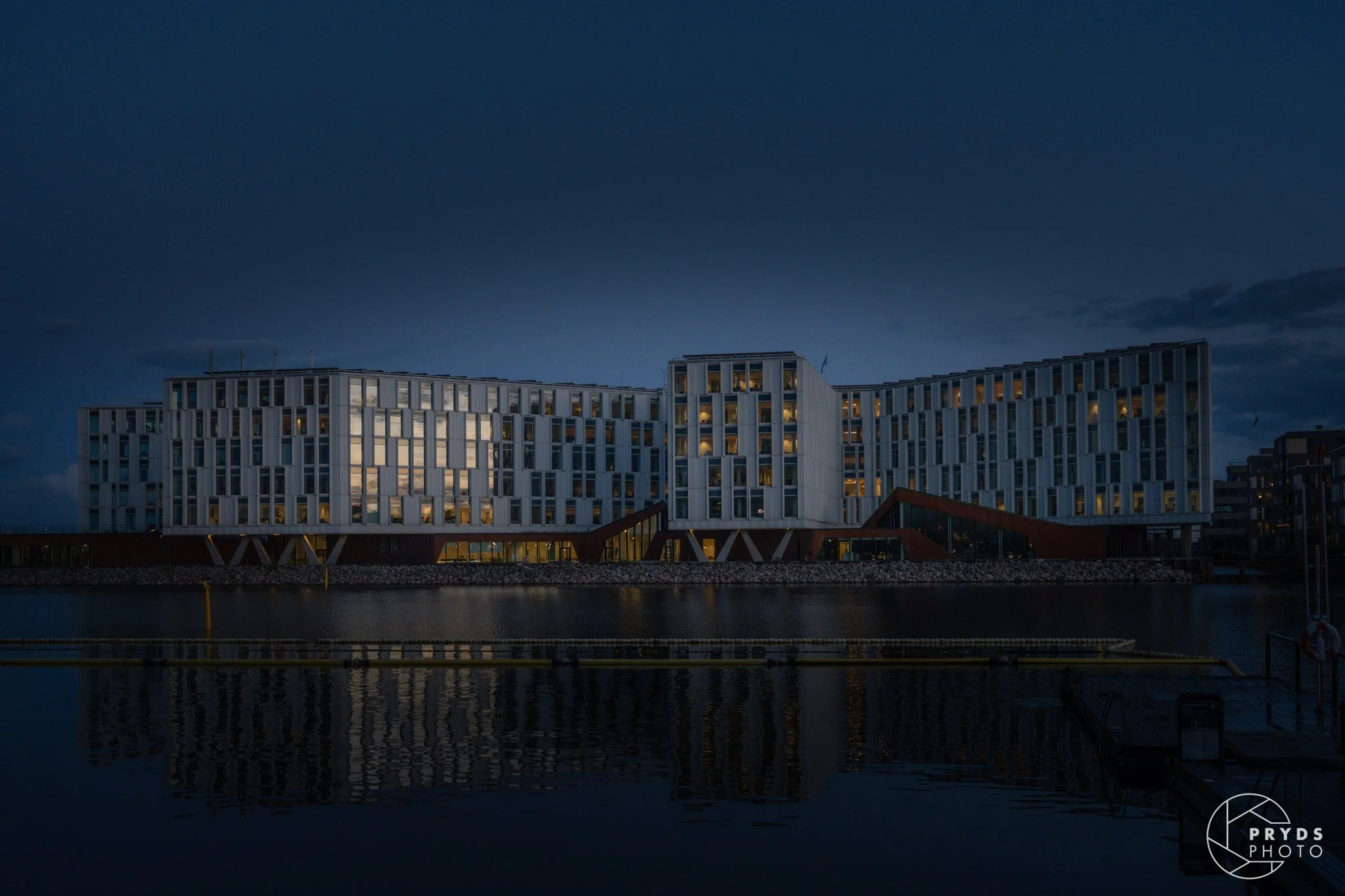
We wrapped up Day 1 at “The Black Diamond”, Copenhagen’s striking Royal Library. I shot another long exposure here to smooth the water and remove passing boats, leaving a clean, silky finish.
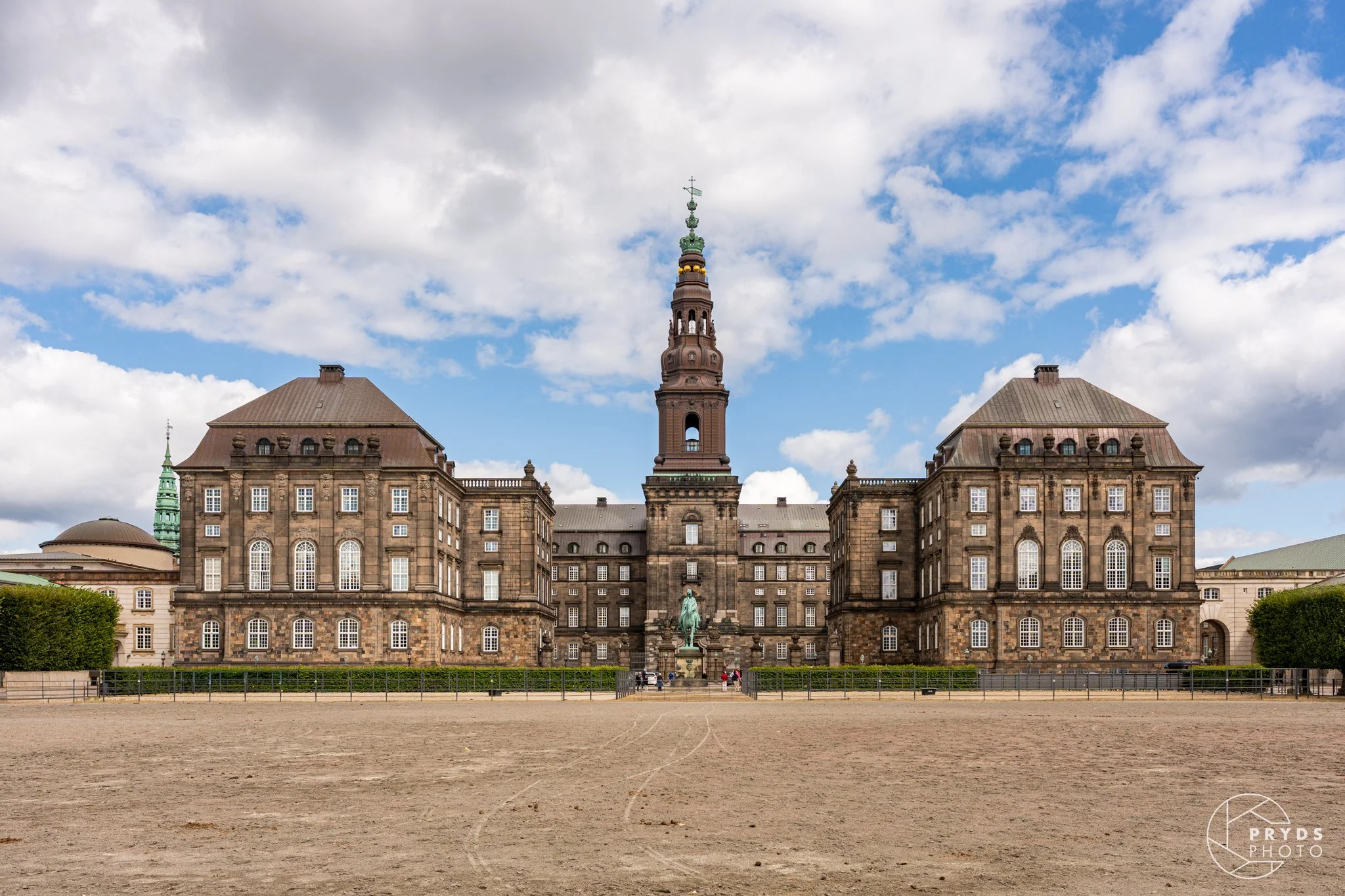
Our final stop was Christiansborg Palace, home of the Danish Parliament. It’s a majestic old building, complete with a horse-riding yard in front — a perfect blend of history and atmosphere.
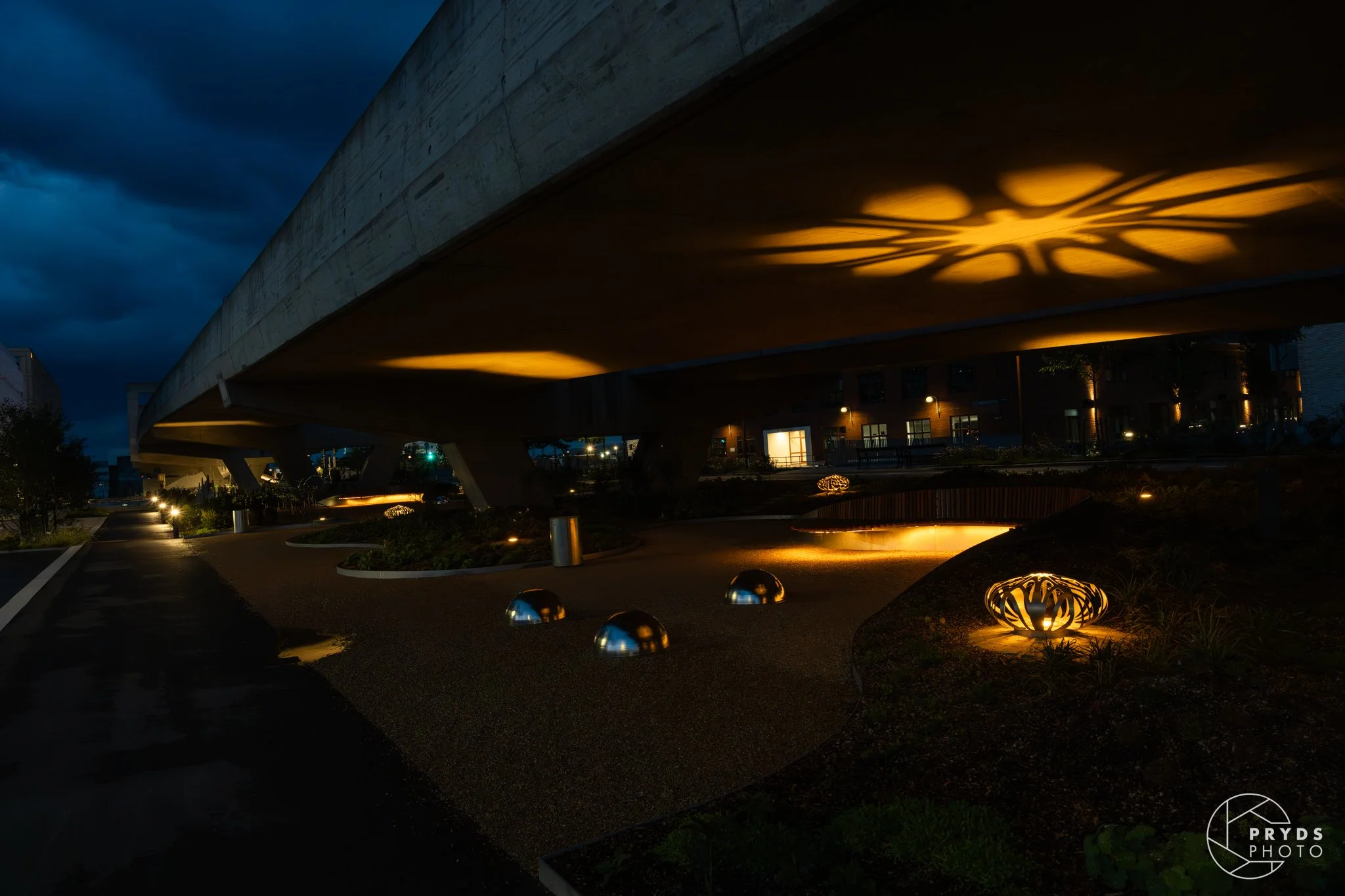
On the walk back to the hotel, I couldn’t resist taking a few more shots — sometimes the best compositions appear when you least expect them.
Morning at Carlsberg
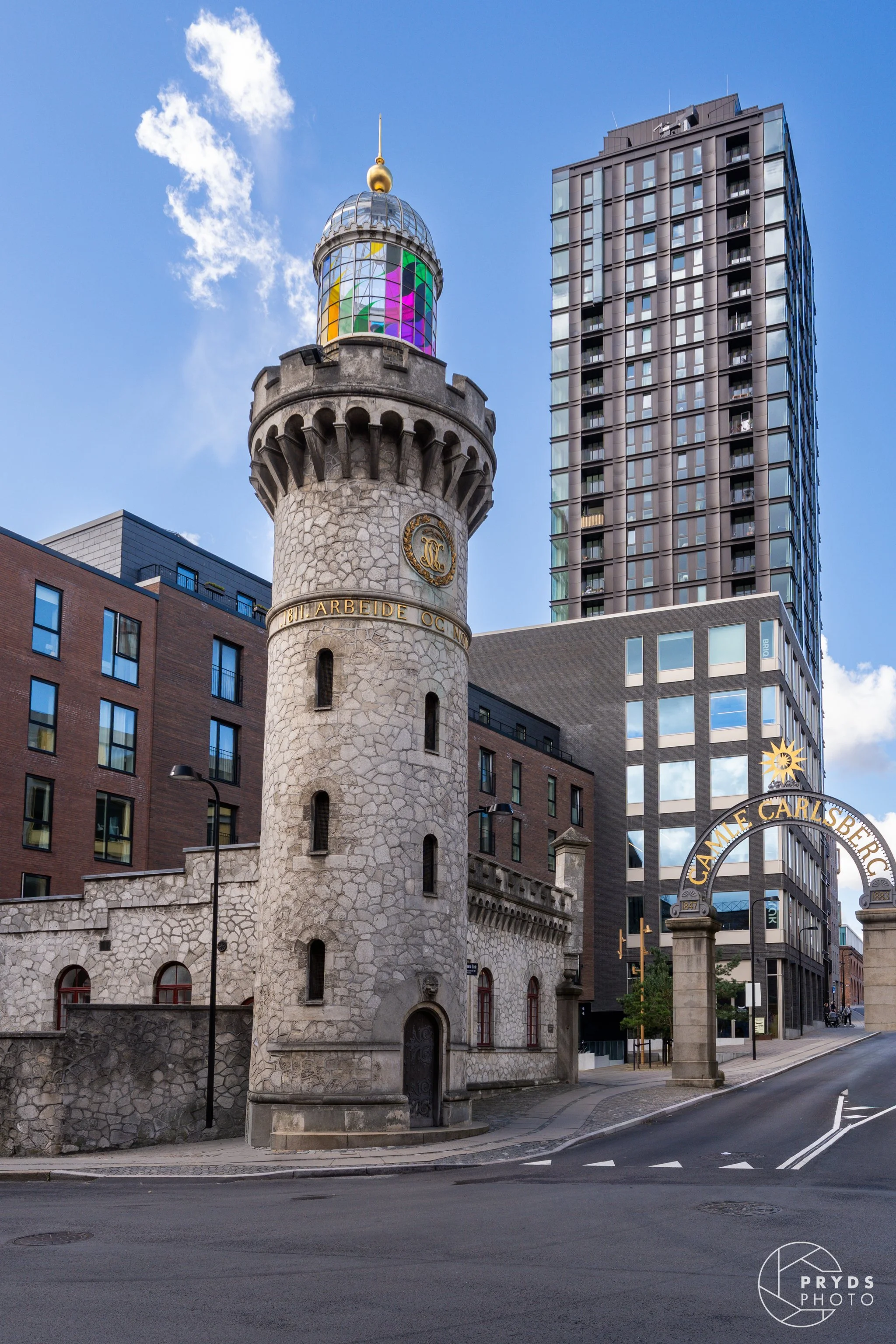
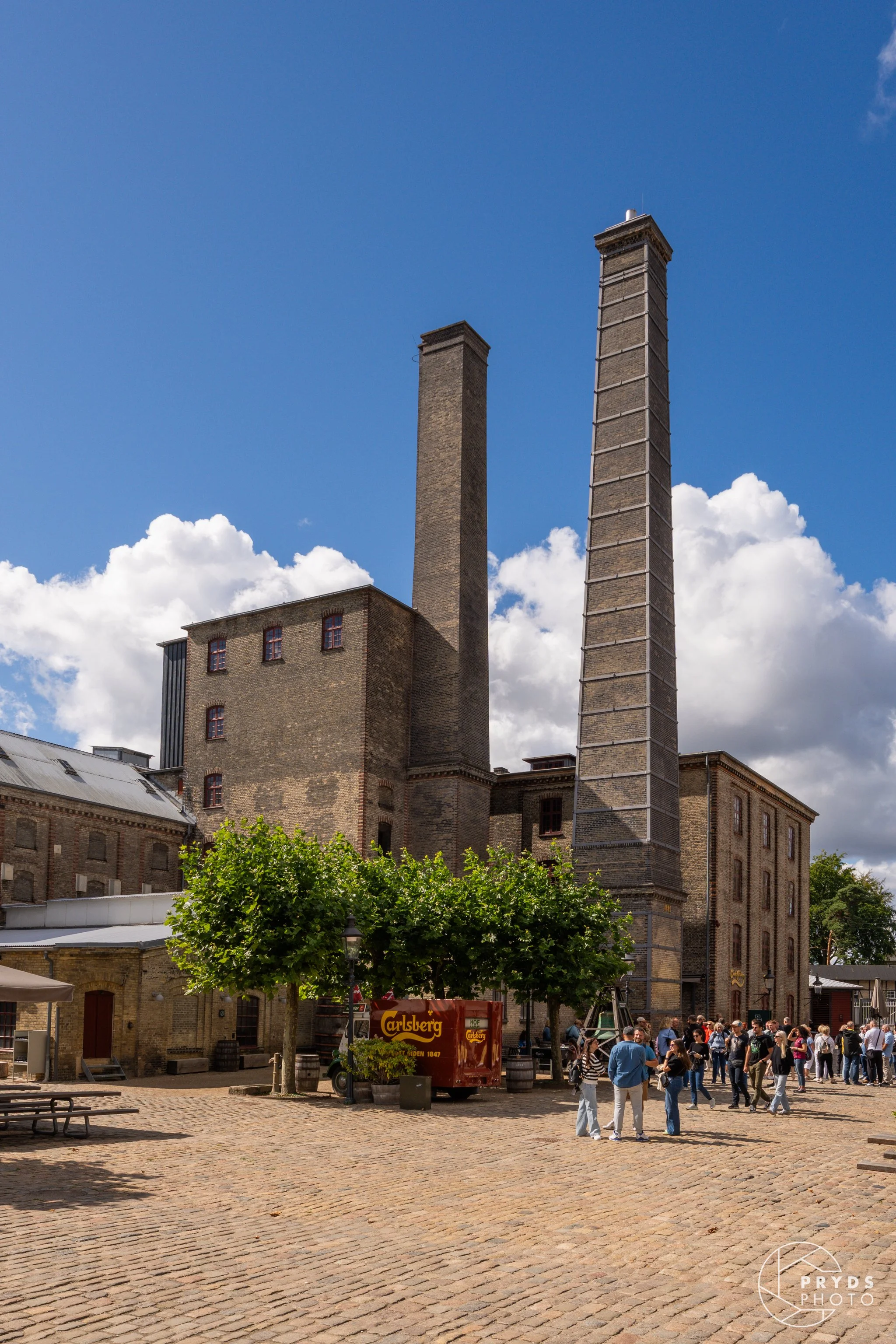
The next morning began with a short train ride out to Carlsberg, one of Copenhagen’s most fascinating districts. Known for its brewing heritage, the area is now transforming into a vibrant mix of old industrial charm and modern architecture.
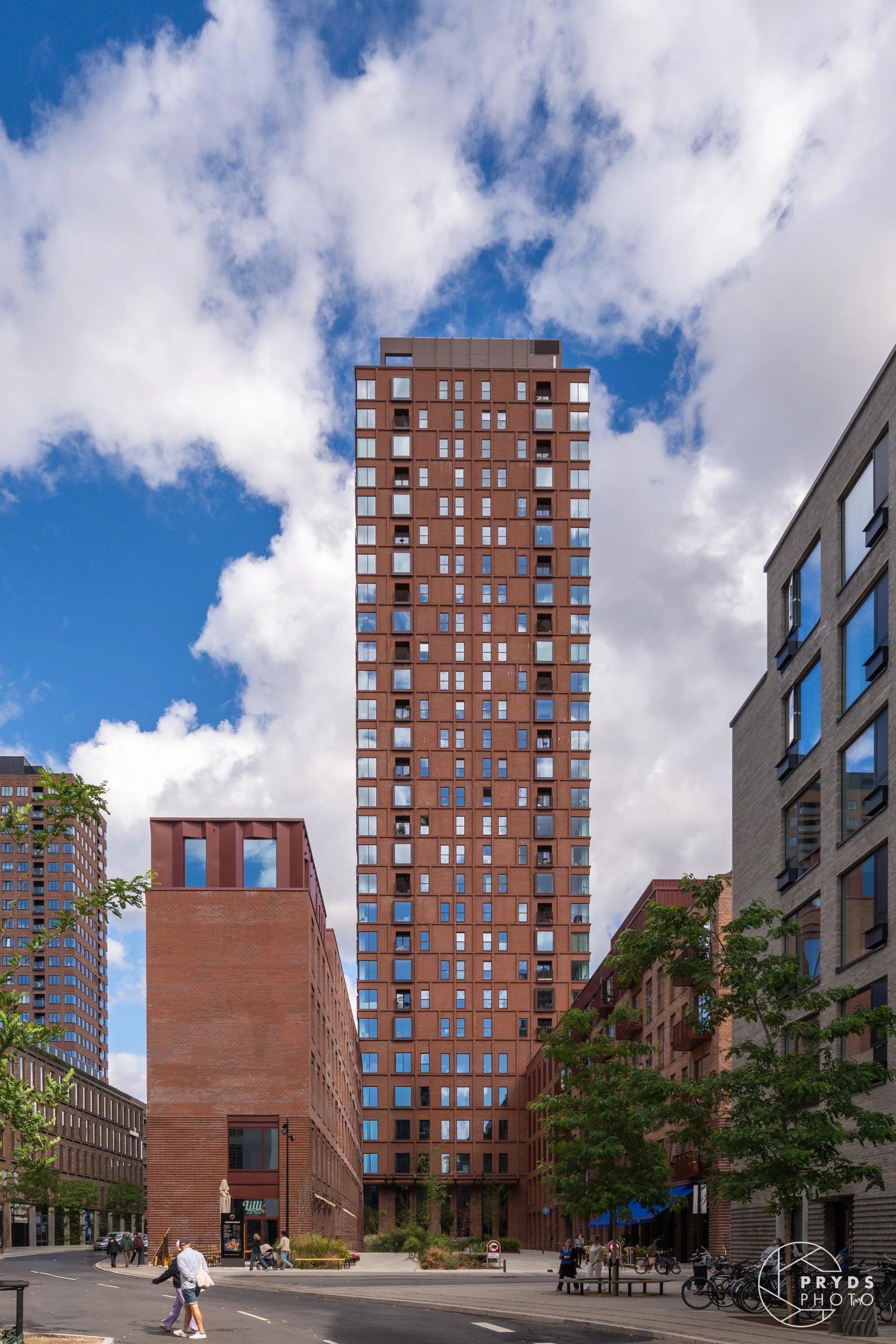
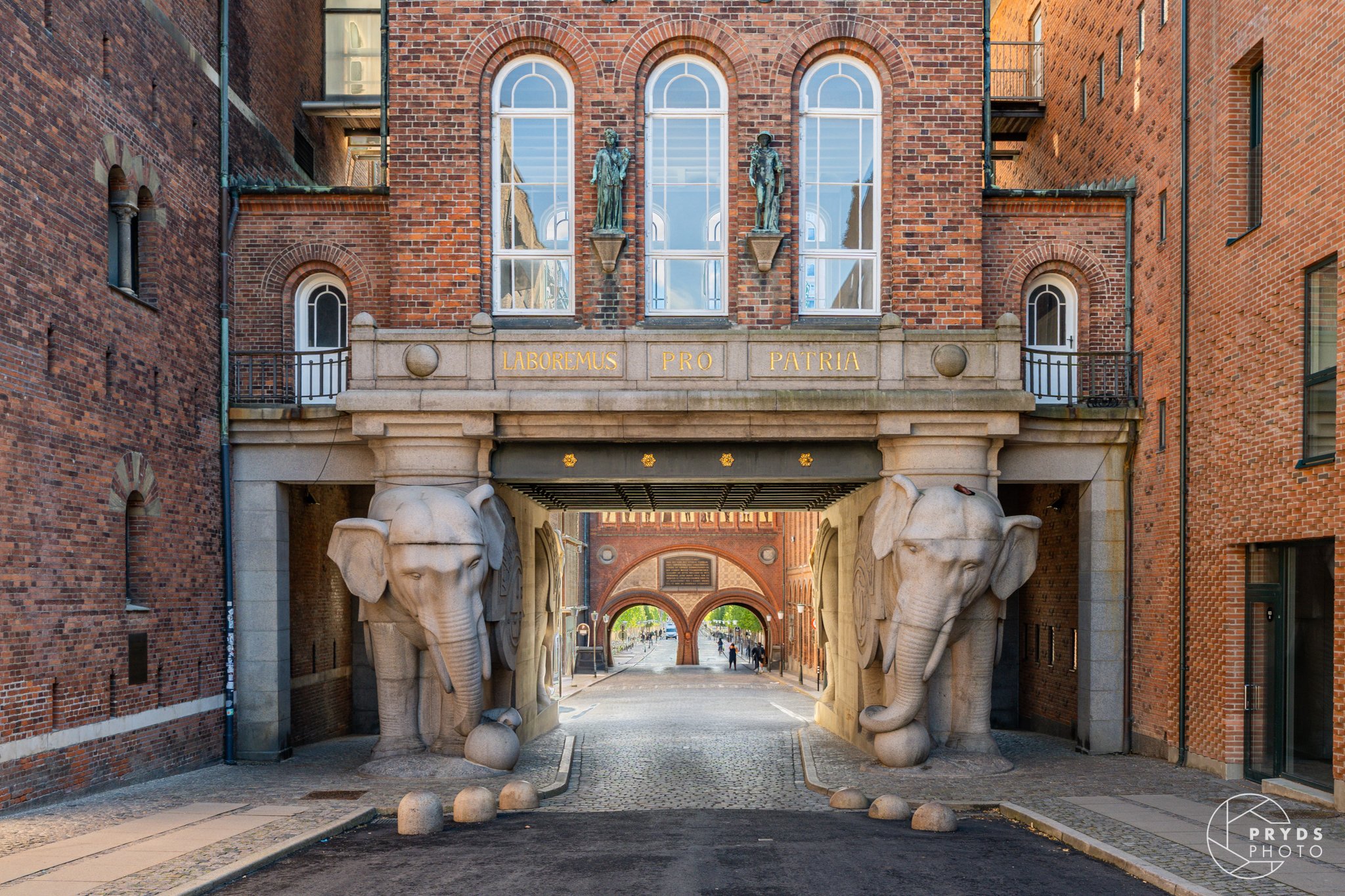
Walking through the former Carlsberg Brewery, you can still sense the history in the red-brick buildings and cobblestone streets. Many of the old structures have been beautifully preserved and repurposed — blending historic craftsmanship with clean, modern lines. For photographers, it’s a playground of textures, contrasts, and perspectives.
Every corner tells a story — from the old factory gates to the iconic Carlsberg Elephant Gate, with its sculpted granite elephants guarding the past. The mix of history and redevelopment here makes for an inspiring start to the day.
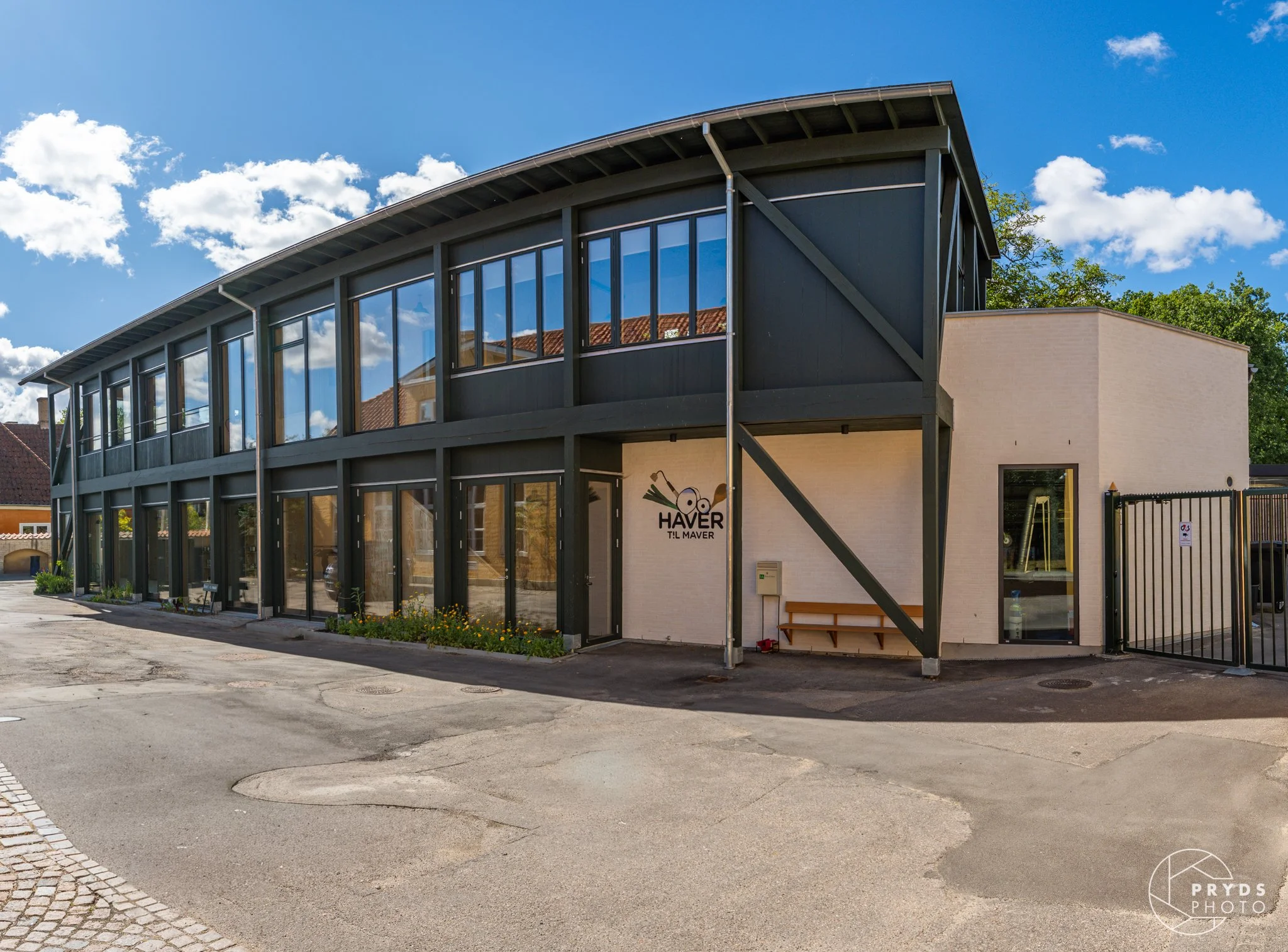
Haver til Maver – Contemporary Danish Design
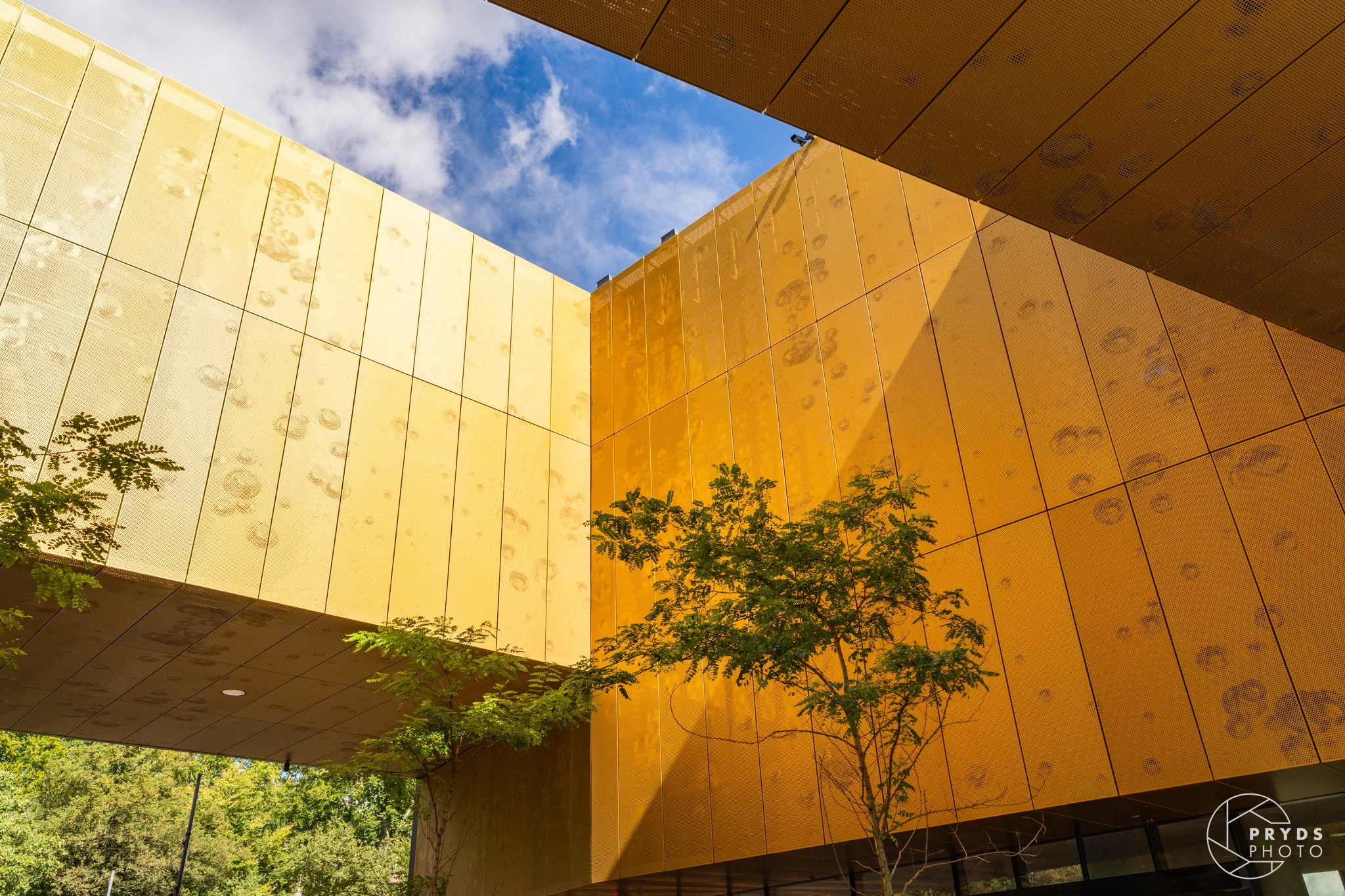
On our way back toward the city, we stopped by Haver til Maver, a striking new building designed by architect Claus Pryds.
The name translates to “Gardens to Bellies”, reflecting its purpose as an educational and sustainable food space — but what caught my eye was the architecture itself. The building combines natural materials, clean geometry, and open light — all signatures of Claus Pryds’ design language.
It’s a wonderful example of modern Danish architecture at its best: functional, aesthetic, and deeply connected to its surroundings. Naturally, I couldn’t resist spending some extra time photographing it from different angles, letting the lines and light play through the frame.
Reflections
Copenhagen is truly a city for walkers and photographers. Every turn offers a balance between historic charm and modern design. With good light, some patience, and comfortable shoes.
Any comments or need more details, do not hesitate to contact me below:
